
what-test-procedures-should-permanent-magnet-motor-pmsm-complete-before-factory-delivery-for-industrial-clients, what-test-procedures-should-permanent-magnet-motor-pmsm-complete-before-factory-delivery-for-industrial-clients, /blog
EN

2026/10/28
For an industrial buyer, factory delivery should mean more than a nameplate and a packing list. A Permanent Magnet Motor PMSM should leave the factory with evidence that its mechanical build, winding system, electrical characteristics, and running behavior match the agreed configuration. The exact factory acceptance test (FAT) plan depends on voltage, power, cooling, VFD arrangement, application, and contract requirements. Still, a disciplined sequence makes it much easier for engineering, procurement, and site teams to review the motor before it is shipped.
The useful question is not simply, “Was the motor tested?” It is, “Which checks were performed, against which agreed values, with what recorded results?” For a PM Synchronous Motor, that distinction matters because rotor magnets, winding design, feedback devices, and drive compatibility all affect the delivered system.
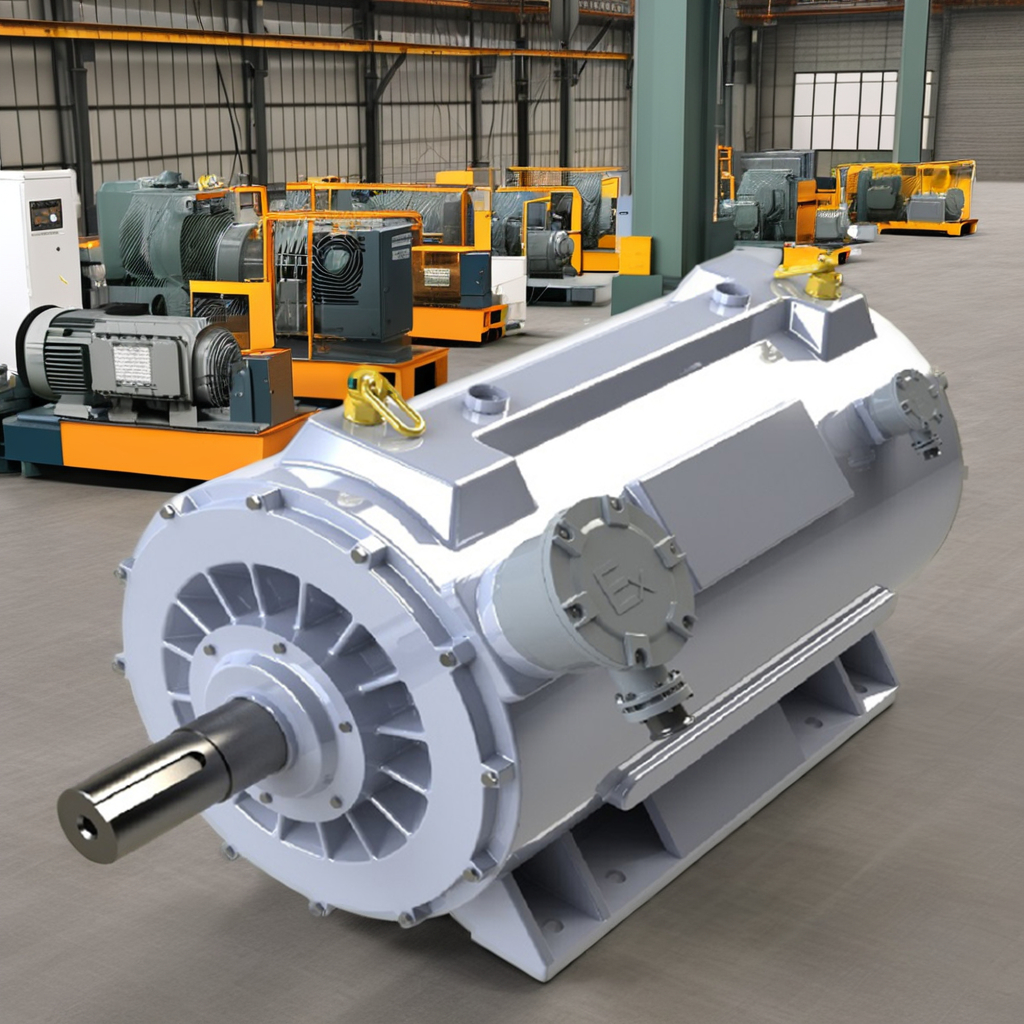
Before energizing a Permanent Magnet Motor PMSM, the factory should compare the production record against the approved order data. This review normally confirms rated power, speed range, voltage, frequency or converter supply, duty, enclosure and cooling arrangement, insulation class, mounting, shaft and flange dimensions, terminal-box orientation, sensors, encoder or resolver option, and any special environment requirements.
Id quoque debet tracciabilitatem instituere. Numerus serialis, recensio fabricae, partium principalium series, et optiones electae ad eandem unitatem acceptam referre debent. Haec non substituit examen electricum, sed impedimentum communis acceptanceis praebet: motor technice validus, qui ad falsam configurationem mechanicam aut electricam constructus est.
Inspectiones mechanicae saepe ab artificio et conditione physica incipiunt. Examinetur corpus, tinctura, cassetta terminalis, introitus cavi, functiones refrigerationis, notae monitionis, coniunctiones, signacula, clavus axis, et quaecumque alia praesidia contra corrosionem in ordine specificata sunt. Confirmetur ut protectio transportis ubi necesse est aptata sit, et ut rotor sine attritu anormali vel contactu tuto moveri possit.
Pro Permanent Magnet Motor PMSM intended as a replacement or OEM component, dimensional verification is particularly valuable. Buyers often need confirmation of shaft extension, keyway, mounting holes, flange register, center height, and overall interface dimensions before release. A dimension report should state the drawing revision and the instruments or gauges used where those items are contract-critical.
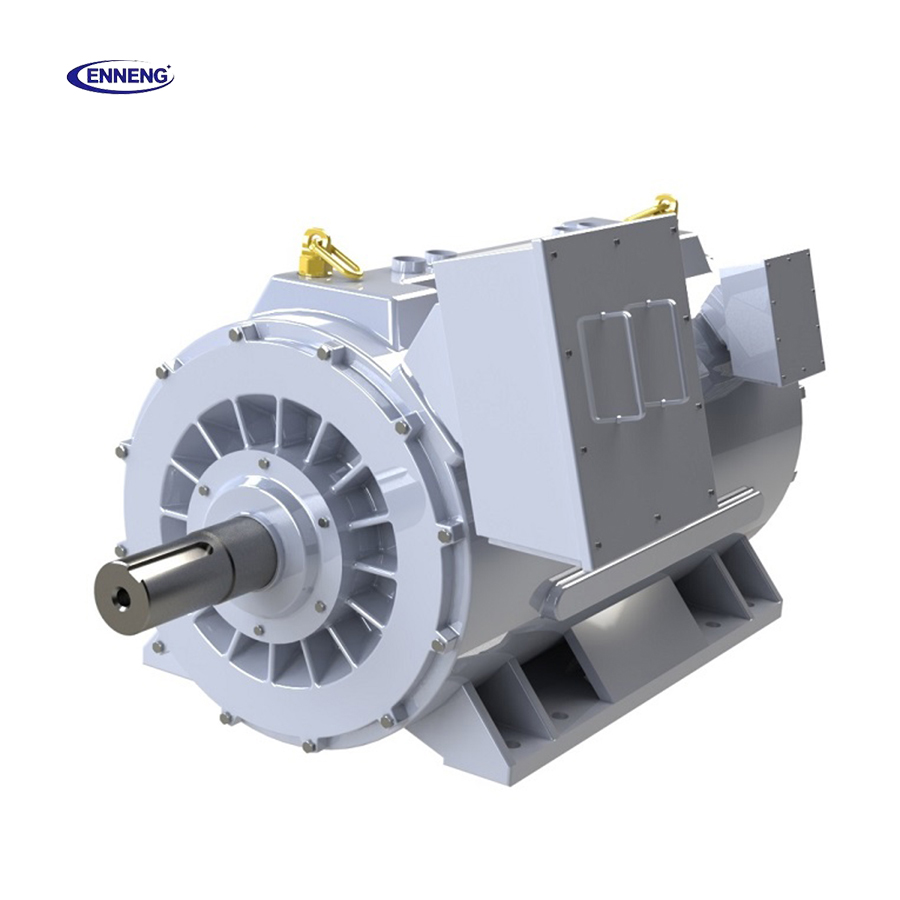
The next group of tests checks whether the stator winding system is sound and correctly connected. Typical routine evidence includes phase-to-phase winding resistance comparison, insulation-resistance measurement, and, when required by the specification, a dielectric withstand or high-potential test. The acceptance values, voltage level, duration, temperature correction, and safety procedure must be agreed for the machine rather than copied from a generic checklist.
Insulation-resistance and polarization-index procedures are addressed in the IEC 60034 family for rotating-machine insulation assessment. In practice, the report should identify the test conditions, including winding temperature where relevant, because readings are only useful when their conditions are clear. A Motor synchronous cum marte perpetuo with optional temperature sensors should also have sensor circuit continuity and identification checked before packing.
Factories may add surge comparison, partial-discharge, or other specialized insulation tests for particular voltage classes, winding constructions, or purchaser requirements. Those are not universal routine tests. The right approach is to list them explicitly in the FAT matrix, along with the responsible party and pass/fail criterion.
A controlled no-load run gives the factory a practical opportunity to evaluate the assembled Permanent Magnet Motor PMSM. The run record can capture rotation direction, speed, line voltage or DC bus and drive settings as applicable, current, vibration, noise observations, and bearing or housing temperature trend. It may also reveal unusual mechanical noise, imbalance, fan interference, encoder feedback issues, or unstable control behavior that a static test cannot expose.
For converter-fed motors, the test setup matters. A PM Synchronous Motor must be commissioned using a compatible control mode and the correct feedback configuration. If the buyer will use a specified VFD, a witnessed integration test may be appropriate; if not, the factory should document the drive and basic control parameters used during testing rather than imply universal VFD compatibility.
Routine factory testing may not include full-load dynamometer testing. However, a customer may require load points, torque-speed verification, efficiency determination, temperature-rise performance, overload behavior, or a specific duty-cycle simulation. These tests should be planned early because they need suitable loading equipment, stabilized conditions, and an agreed method.
IEC 60034-2-1:2024 describes standard methods for determining losses and efficiency from tests for rotating electrical machines outside traction applications. For a Permanent Magnet Motor PMSM, that reference helps frame the discussion, but the purchase order still needs to state the required method, tolerances, correction method, and test-point conditions. A report that simply says “high efficiency tested” is much less useful than a report that identifies the measured quantities and test method.
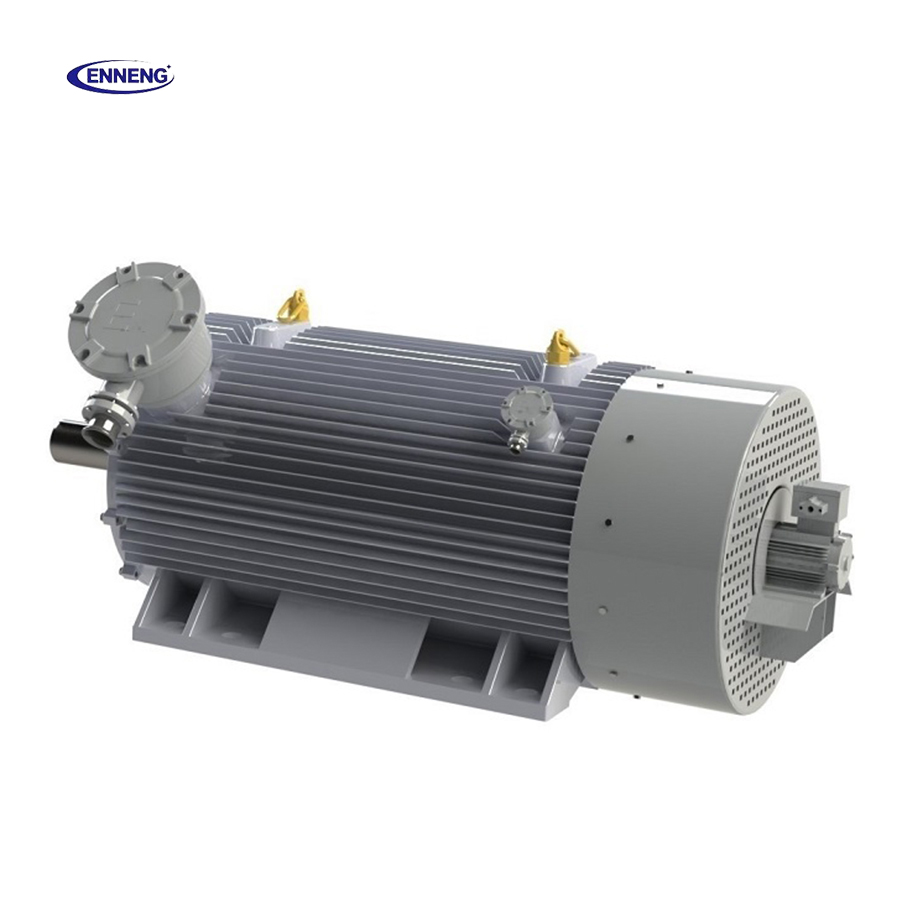
Mensura vibrationis capienda est sub condicionibus experimenti declaratis et comparanda cum requisito acceptationis convenuto. In relatione loca mensurae, conditio montagii motoris, velocitas et basis instrumenti indicanda sunt. Ubi gradus aequilibrandi, dispositio specialis cunei, cuneus isolatus, aut requisitum soni minuti ordinatum est, haec singula in lineis FAT individualibus apparere debent, non in enuntiatione generali ‘acceptum’ abire.
Hoc praesertim importans est, cum motor impellere debet pompas, ventiles, compressores, aut alia instrumenta quae strictas exspectationes habent de coniunctione et allignmento. Vibratio motoris in fabrica non certificat trahentem finaliter installatum, sed basim praebet pro commissionamento in loco.
Multis projectus industrialis PMSM non succedunt in acceptatione non quia motor principalis non potest rotare, sed quia accessorium neglectum est. Confirma terminales et circuitus pro PTCs, RTDs, calefactoribus spatiis, dispositivis anti-condensationis, sensoribus axis, frenis, encoderibus, resolveribus, ventilatoribus refrigerationis compulsae, et auxiliariis in scatula terminali quae vere specificata sunt. Examina notatiores et, ubi pertinet, directionem retroactionis et integritatem signi.
Si Permanent Magnet Motor PMSM si suppletur pro servitio periculo, corrosivo, altitudinis elevatae, pulverulento, aut ambientis alti, FAT debet referre ad exactas proprietates designi ordinatas et documenta. Non tracta inspectionem generalem fabricae ut probationem conformitatis cum regula specifice loci nisi haec conformitas explicite specificata et verificata fuerit.
The final release review converts shop-floor work into usable acceptance evidence. At a minimum, industrial clients should ask for the approved specification or data sheet, nameplate record, dimensional drawing where applicable, routine-test report, no-load run record, any contracted load or temperature report, accessory checklist, inspection release, packing list, and operation or installation documents. Calibration traceability for critical test equipment may also be requested for witnessed or project-controlled FATs.
ENNENG can discuss test-record expectations during the specification stage so buyers can align the factory plan with their application, drive, and acceptance process. The most effective FAT is agreed before production starts: it identifies what will be tested, how results will be recorded, and which tests require buyer witnessing.
Cum hæc elementa in registro FAT visibilia sunt, motor magnetis permanentis (PMSM) advenit ut componentum industriale auditabile, non ut expeditio non verificata. Id qualitatem traditionis meliorat et æquipamento commissionis basim definitam pro installatione et initio praebet.


 EN