 EN

In an underground mine, a motor is exposed to more than a demanding load. Fine mineral dust, humid air, wash-down water, vibration, chemical residues, and restricted maintenance access act together. That is why a Mining Industrial Motor for a tunnel conveyor, pump, fan, or hoist should be specified as an environmental system—not simply by power, voltage, and efficiency. The enclosure, coating, seals, cable entries, cooling arrangement, and service plan must all suit the actual tunnel conditions.
From a technical sales perspective, the useful first question is not “What frame size is required?” It is “What can reach the motor during every shift, and what happens if it does?” For a Mining Industrial Motor, an unplanned stoppage may interrupt material flow, ventilation, or dewatering while access for inspection is limited. Environmental protection is therefore a reliability requirement, not a cosmetic upgrade.
Why tunnel conditions are hard on a Mining Industrial Motor
Underground tunnels tend to concentrate contaminants. Dust generated by drilling, crushing, transfer points, and vehicle movement can settle on the housing and be pulled toward cooling openings. Moisture may come from groundwater, ventilation changes, wash-down routines, or condensation during temperature swings. Depending on the ore body and process, airborne particles or splashed liquids can also carry salts, acids, or alkaline residues.
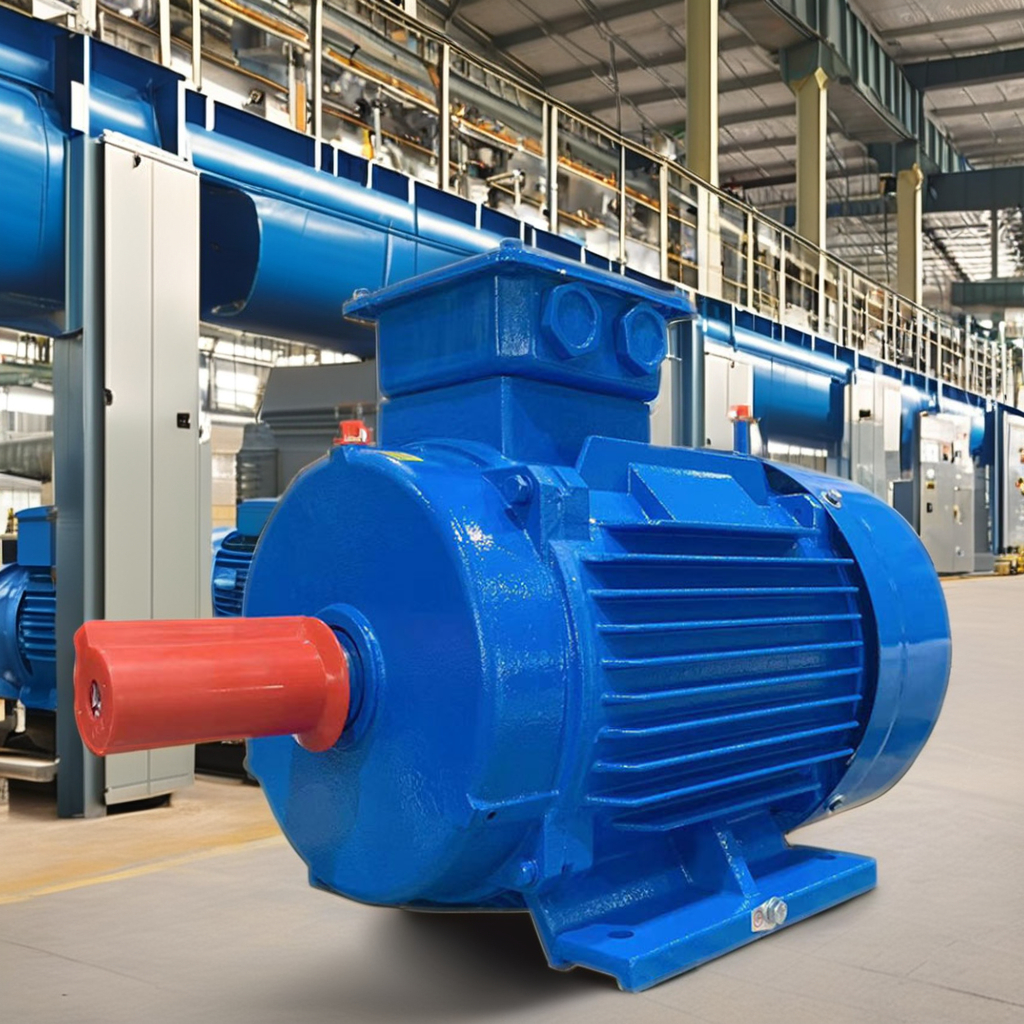
A standard motor that performs acceptably in a clean indoor plant can lose reliability margin in this setting. Dust can obstruct external cooling surfaces, contaminate seals, and enter terminal or bearing areas through weak interfaces. Moisture on damaged coating, fasteners, cable glands, or terminal components can initiate corrosion. Vibration can then aggravate small sealing and mounting weaknesses. A properly chosen Mining Industrial Motor addresses these interacting failure paths instead of treating them as isolated defects.
Dust protection is about more than an IP label
Ingress protection is a useful starting point. The IEC explains that the first numeral of an IP code ranges from 0 to 6, with 6 denoting no ingress of dust. In a tunnel with persistent fine dust, a dust-tight enclosure may be appropriate when the exposure assessment justifies it. But an IP designation should not be read as a complete mine-duty specification.
For a Mining Industrial Motor, ask how the chosen enclosure handles the whole contamination route: the shaft exit, bearing arrangement, terminal-box cover, gland plate, fasteners, inspection covers, and cooling circuit. A dust-proof structure also depends on correct assembly. A high-rated housing can still underperform if the cable gland is mismatched, a cover gasket is pinched, or field modifications leave an opening.
- Cooling path: determine whether dust can blanket fins or clog an external fan guard.
- Terminal box: specify compatible glands, plugs, and gasketed covers for every unused entry.
- Bearing area: consider seals and lubrication practices that match dust concentration and shaft orientation.
- Maintenance access: make cleaning and inspection feasible without opening protected compartments unnecessarily.
These details matter for a Mining Industrial Motor because dust control and thermal management are connected. Tighter enclosures can reduce contamination paths, but retained heat must still be removed through a suitable cooling design.
Anti-corrosion protection starts with the exposure map
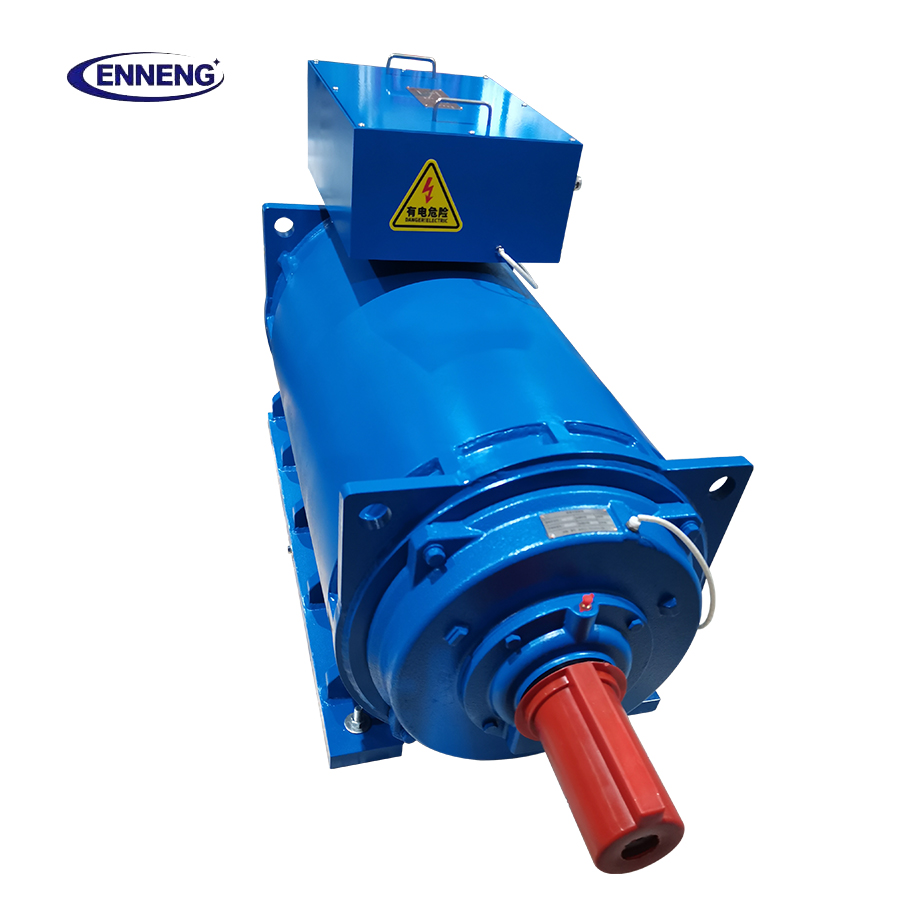
Corrosion is rarely solved by applying a generic paint color. The exposure map should identify where the Mining Industrial Motor operates: near wet headings, in a ventilated dry drift, beside slurry handling, at a wash-down point, or in an area with intermittent condensation. It should also identify which parts see the exposure first—the frame, feet, shaft extension, fasteners, terminal box, and cable interfaces.
ISO 12944 provides a recognized framework for selecting protective paint systems for steel structures. It is helpful as a reference when discussing corrosivity and coating-system selection, but a motor specification also needs attention to substrates, joint geometry, shaft sealing, compatible fastener materials, and repair procedures. The objective is not merely an intact finish at delivery; it is a protective system that remains serviceable after handling, installation, vibration, and periodic cleaning.
For a Mining Industrial Motor, practical anti-corrosion choices may include a coating system suited to the assessed environment, careful treatment of cut edges and interfaces, corrosion-aware fastener selection, protected terminal components, and a defined touch-up method. Do not assume that a thicker coating necessarily resolves the problem. Surface preparation, adhesion, drainage, and damage repair determine whether protection endures.
Specify the dust-proof and anti-corrosion package together
The strongest approach is to write one application-specific requirement set. Start with the duty cycle, ambient temperature, altitude if relevant, dust type, moisture source, cleaning practice, and access constraints. Then translate those facts into enclosure, IP target, cooling method, coating system, seal arrangement, terminal-box configuration, mounting, and inspection requirements.
|
Site observation |
Question for the Mining Industrial Motor specification |
|
Fine airborne mineral dust |
Which enclosure and cable-entry details limit dust ingress without creating an unmanaged heat path? |
|
Wet or condensing tunnel air |
Which coating, gasket, drainage, and terminal protections fit the moisture exposure? |
|
Wash-down near equipment |
What liquid-exposure rating and cleaning limits should be verified? |
|
Restricted service access |
Which inspections can be performed safely and how will damaged protection be restored? |
|
Variable-load conveyor or pump duty |
Does the cooling approach remain adequate across the real speed and load profile? |
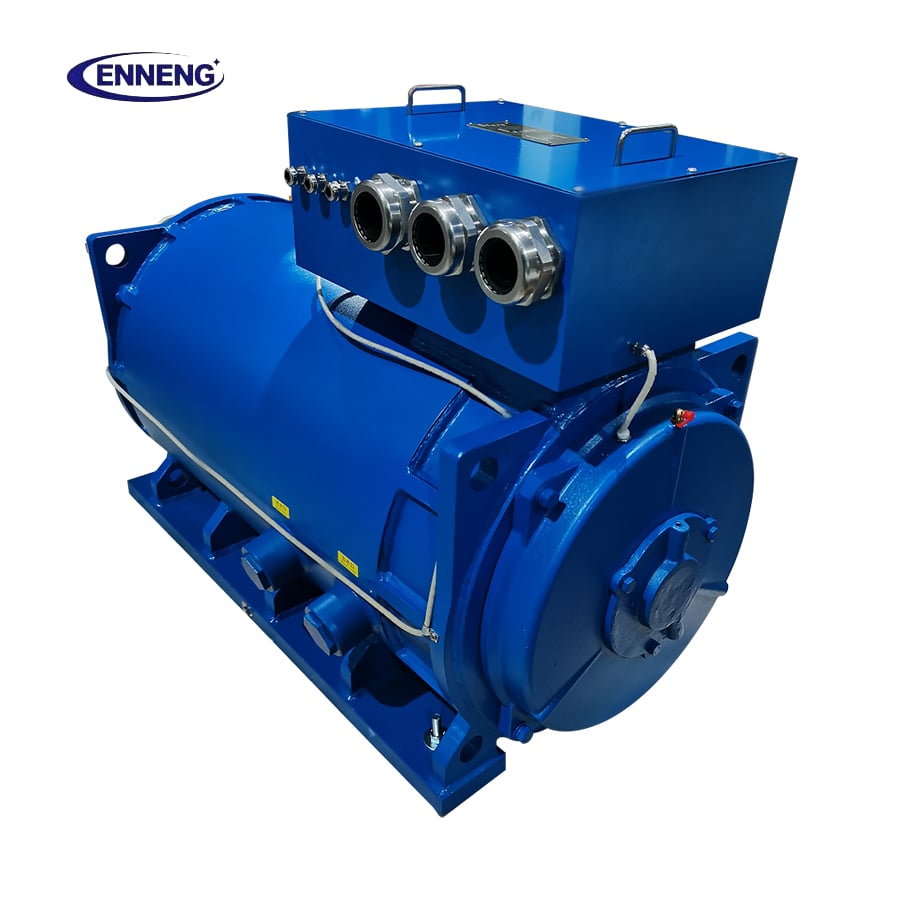
A Permanent Magnet Motor PMSM can be considered where its torque, control, and efficiency characteristics match the application, but the environmental package remains equally important. A Mining Industrial Motor cannot rely on motor technology alone to overcome dust, moisture, or corrosive contamination.
Verify the design before release and after installation
If you are evaluating commercial permanent magnet motors for sale and need an engineered drive solution that guarantees efficiency and longevity, ENNENG is your trusted partner.Contact ENNENG Today.Speak to our technical engineering team to receive a customised drive proposal.
- WhatsApp: +86 18562780228
- E-Mail: [email protected]
- Phone: +86 532 66000559
At commissioning, verify the points that are easy to miss: intact gaskets, correct glands and blanking plugs, undamaged coating, proper drainage orientation, secure mounting, clear airflow, and cable routing that does not defeat the enclosure. Establish a routine that checks contamination buildup and coating damage before they become a failure mechanism.