
why-pm-synchronous-motor-performs-better-than-traditional-motors-under-partial-load-working-conditions, why-pm-synchronous-motor-performs-better-than-traditional-motors-under-partial-load-working-conditions, /blog
EN

2026/10/29
Most factories size motors for peak demand, then run them far below that mark for most of the day. That gap is where traditional machines waste the most energy, and where a PM Synchronous Motor changes the math.
A water treatment plant in Jiangsu runs six 55 kW pumps that rarely exceed 45% flow. The original induction motors drew heavy current at low output and heated the room. After installing ENNENG PM Synchronous Motor units with variable speed drives, the station cut pump energy by 27% in the first season and reduced the HVAC load in the equipment building. The same drive platform later controlled the blower fans with the same saving pattern.
Traditional induction motors slip and lose efficiency exactly when load drops, the condition that defines most real duty cycles. Heat builds, power factor falls, and the utility bills for reactive power the plant never used. A PM Synchronous Motor from ENNENG holds efficiency and unity power factor at partial load, removing the waste without changing the process or the existing pipework.
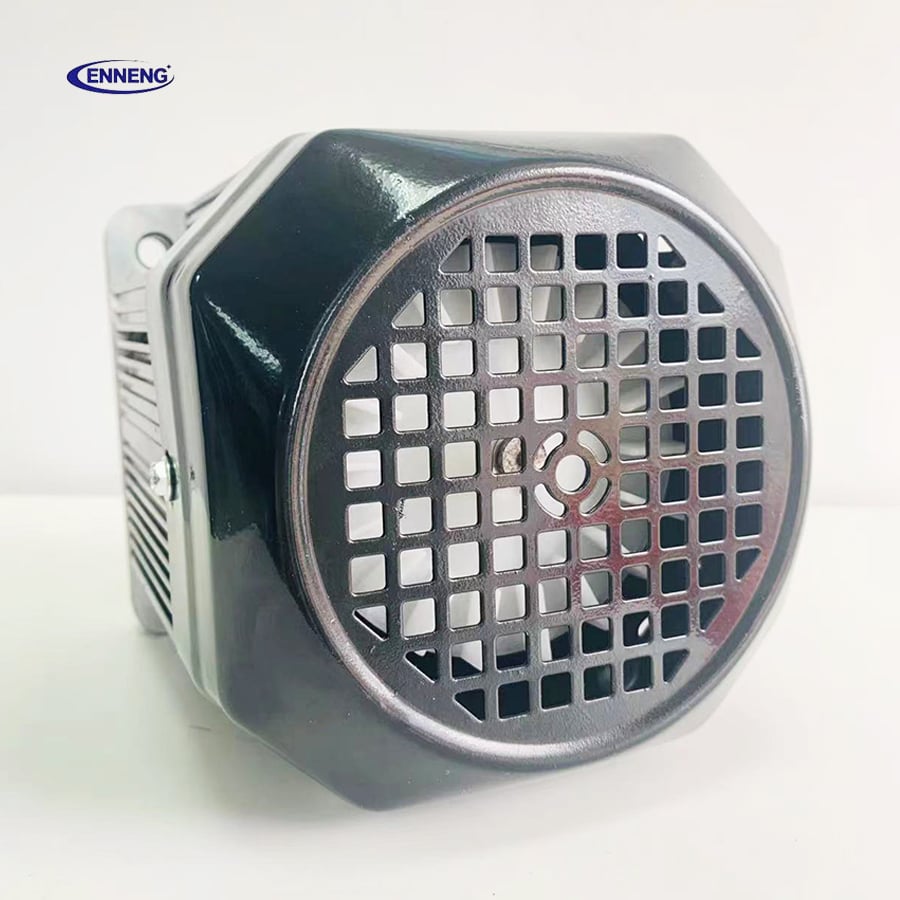
A PM Synchronous Motor keeps rotor speed locked to the supply frequency through the drive, so it does not slip and does not bleed energy as rotor copper loss. ENNENG builds the PM Synchronous Motor with a low speed direct drive permanent magnet motor option that removes the gearbox in fan and pump duty. The table shows efficiency across the load band for a 75 kW unit.
|
Load |
Induction (IE3) |
ENNENG PM Synchronous Motor |
|
25% |
79% |
93% |
|
50% |
88% |
95% |
|
75% |
92% |
96% |
|
100% |
94% |
97% |
The ENNENG PM Synchronous Motor stays above 93% at quarter load, while the induction unit falls under 80%. Because the rotor carries permanent magnets, there is no rotor winding loss and no slip, so efficiency stays flat as load varies. The ENNENG PM Synchronous Motor also holds power factor near unity, which lowers the current for the same mechanical output and shrinks cable and transformer sizing. For sites adding generation, ENNENG offers a permanent magnet generator rated 5kW to 5MW at 110V to 690V, plus vertical axis wind turbine generators from 1kW to 10kW that pair with the same drive platform.
Selecting a PM Synchronous Motor for the right duty beats chasing the highest nameplate class on paper. When the real load sits at 40% for most of the shift, the flat part load curve of the ENNENG PM Synchronous Motor recovers the cost through saved kWh long before a peak rated rival would. For retrofit work, a PM Synchronous Motor drops straight into the existing footprint, so civil works stay minimal and the payback stays short.
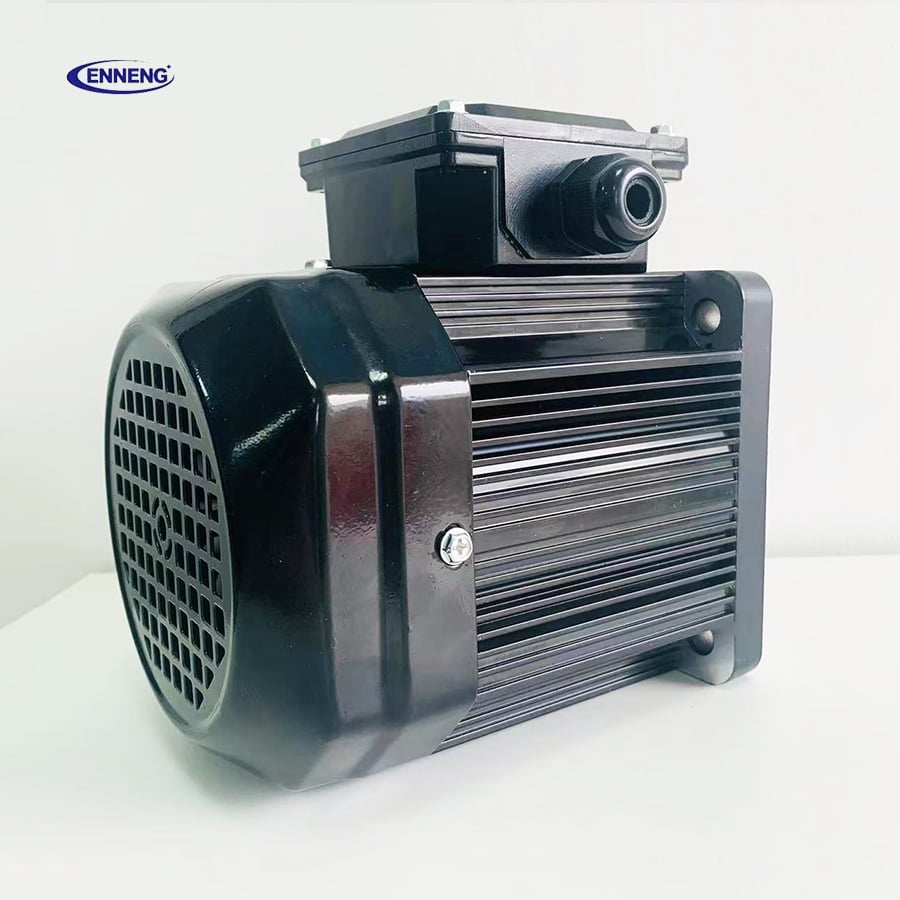
Motor performance references IEC 60034 for efficiency and rating, while IEC 61800 covers the adjustable speed drive that unlocks partial load savings. ISO 9906 defines pump efficiency testing, relevant because pumps are a common partial load application. NFPA 70 sets wiring and protection for the installation, and OSHA 29 CFR 1910.147 requires lockout tagout before any drive or motor work. ENNENG aligns product data to these standards for audit ready projects.
Map the real load curve before choosing a PM Synchronous Motor, because the saving comes from below rated power. Size the ENNENG PM Synchronous Motor to the average load, not the peak, and let the drive trim speed to match demand. A PM Synchronous Motor rewards correct sizing far more than an induction unit, so the load study pays for itself. Set the drive to disable field weakening above base speed, monitor stator temperature each month, and keep the cooling fins clear of dust. Verify power factor at the panel after commissioning, and log kWh against the old baseline to prove the gain in the first month. Keep a spare drive module so a single fault never stops the line during the payback window.
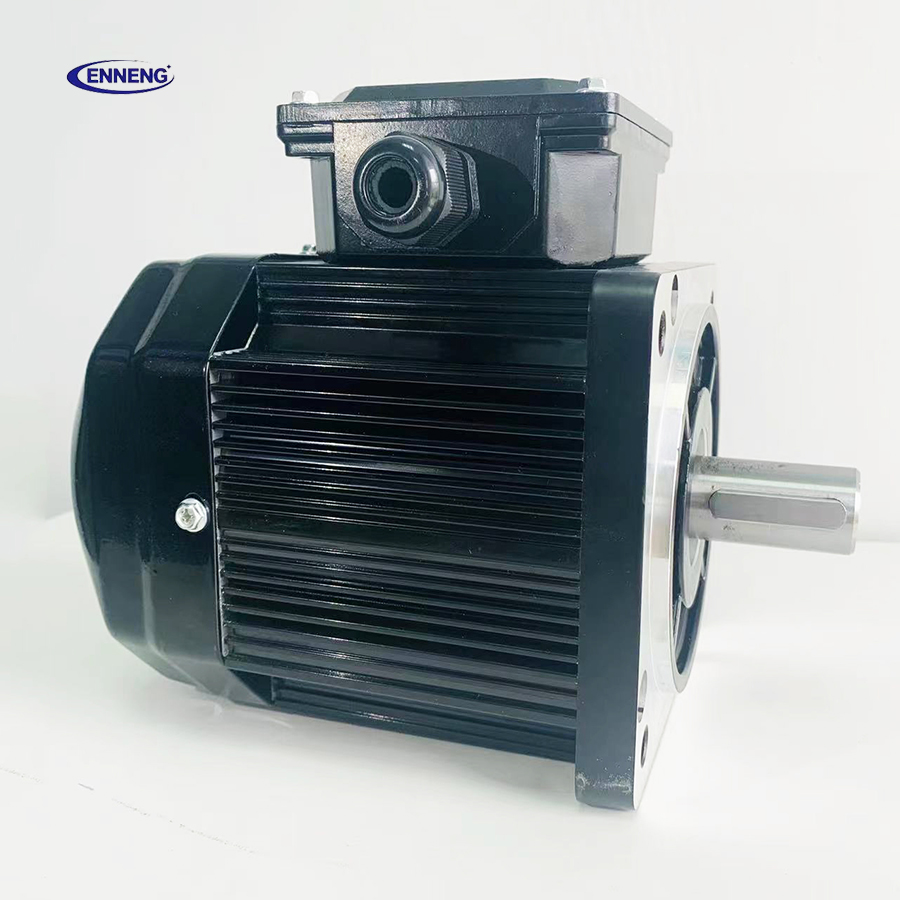
A: An induction motor slips and loses rotor efficiency as load falls, but a PM Synchronous Motor has no rotor winding loss and no slip. The ENNENG PM Synchronous Motor keeps high efficiency and near unity power factor at 25% load, where induction units often drop under 80% and waste reactive power. The drive locks rotor speed to frequency for stable, loss free operation that protects the supply.
A: A PM Synchronous Motor needs a drive with field oriented control and magnet protection to avoid damage. ENNENG reviews the existing controller and supplies a matched unit where needed. Running the motor on an open loop drive causes loss of sync and possible magnet damage, so the audit matters before any commissioning begins. Plan the drive review early to keep the schedule on track.
A: Yes. Fans and pumps spend most time at partial load, which is exactly where the ENNENG PM Synchronous Motor saves the most. The low speed direct drive version removes the gearbox, cuts maintenance, and improves part load efficiency across the whole operating range. For cooling towers and supply fans, the flat curve delivers steady savings every season without oversizing the machine or the cable.
A: For continuously running loads below 60% of rating, a PM Synchronous Motor often pays back in twelve to thirty six months through energy and cooling savings. ENNENG recommends metering the load first so the saving is measured, not assumed, before the purchase order. Start with the longest run hour machine, prove the gain, then roll the program across the plant step by step with the same drive platform.


 EN