 EN

For an industrial production enterprise, a breakdown is rarely just a maintenance event. It is an inventory decision made months earlier: which reducers, couplings, belts, seals, bearings, oil-system items, and specialist tools had to be held in reserve to protect a bottleneck line? A Direct Drive Motor changes that decision by coupling motor torque directly to the driven load. It does not make maintenance disappear, but it can remove an entire transmission layer from the spare-parts plan.
From a procurement standpoint, this matters because the cost of a spare is not limited to its purchase price. It includes the capital tied up on the shelf, storage controls, preservation, obsolescence exposure, supplier lead-time uncertainty, and the time required to identify the correct part during an outage. The useful question is therefore not “does a Direct Drive Motor cost more?” but “which failure modes and inventory categories disappear, and what new spares must replace them?”
Why gearbox-driven lines create inventory pressure
A conventional motor-and-gearbox arrangement divides torque conversion across several mechanical components. Each interface can create a stock requirement: gearbox assemblies or internal gear sets, input and output seals, couplings, belts or chains where applicable, lubrication supplies, bearings, and hardware specific to the reducer frame. A plant may not stock every item for every asset, yet criticality planning often leads it to hold high-value assemblies or long-lead components for the lines that constrain throughput.
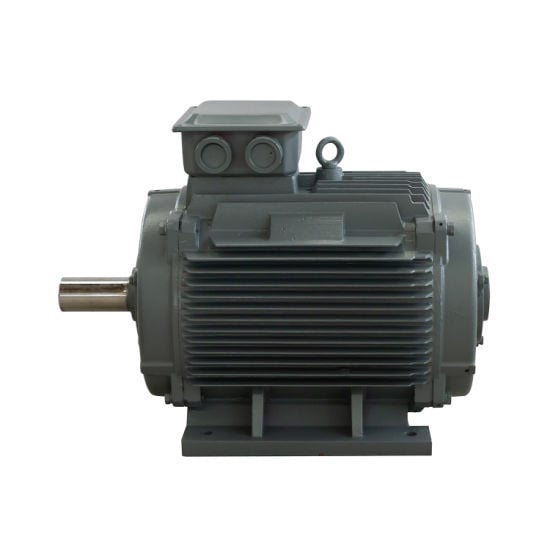
This is why a spare-parts reduction case should start with the bill of materials, not a generic efficiency claim. If the gearbox is eliminated, the stock list can be simplified. If a Direct Drive Motor still needs a custom controller, encoder, cooling component, or bearing arrangement, those items must be visible in the revised list. Good inventory policy replaces a vague “fewer parts” promise with fewer distinct failure paths that require stocked mechanical transmission spares.
How a Direct Drive Motor changes the spare-parts map
A Direct Drive Motor transfers power to the load without an intermediate gearbox. In the right low-speed, high-torque application, that can remove gearbox-specific inventory categories rather than merely reducing their usage rate. The practical effect is often a shorter critical-spares register: no reducer replacement unit, no gear-set repair kit, no gearbox seal kit, and less dependence on lubrication-related stock for that drive train.
A Gearless Motor configuration also reduces the number of mechanical interfaces that maintenance teams need to inspect, align, lubricate, or rebuild. That is particularly valuable when one gearbox family is used in several variants, because seemingly similar reducers may have different ratios, mounting positions, shafts, seals, or torque ratings. Consolidating to a Direct Drive Motor does not automatically standardize every asset, but it can make standardization easier when frame, winding, feedback, and control interfaces are specified deliberately.
Inventory savings come from risk segmentation, not from deleting all spares
The wrong implementation treats a Direct Drive Motor as maintenance-free and cuts inventory indiscriminately. The better approach is to rebuild the criticality analysis around the direct-drive architecture. Separate the retired mechanical spares from the retained electrical and electromechanical spares, then assign stocking levels based on downtime consequence, supplier lead time, repairability, and installed base.
|
Inventory category |
Typical effect after direct-drive conversion |
Planning action |
|
Gearbox assemblies and internal gear parts |
May be removed where the gearbox is fully eliminated |
Verify all affected assets before reducing safety stock |
|
Gearbox seals and lubricants |
Often reduced or removed from that drive train |
Update preventive-maintenance kits and storeroom locations |
|
Couplings, belts, or chain-drive components |
Depends on whether the whole transmission path is direct |
Review the actual mechanical layout rather than the motor label |
|
Motor bearings, encoder, cables, and controller items |
Remain relevant and may become more critical |
Define compatible, application-specific service spares |
This distinction is essential. A Direct Drive Motor can lower the number of stocked mechanical part types, while the enterprise may still choose to hold a controller or feedback-device spare for a line whose lost output is costly. Inventory pressure falls when the stock profile is simpler and better matched to actual failure exposure, not when the maintenance department is asked to carry unacceptable downtime risk.
Where the business case is strongest
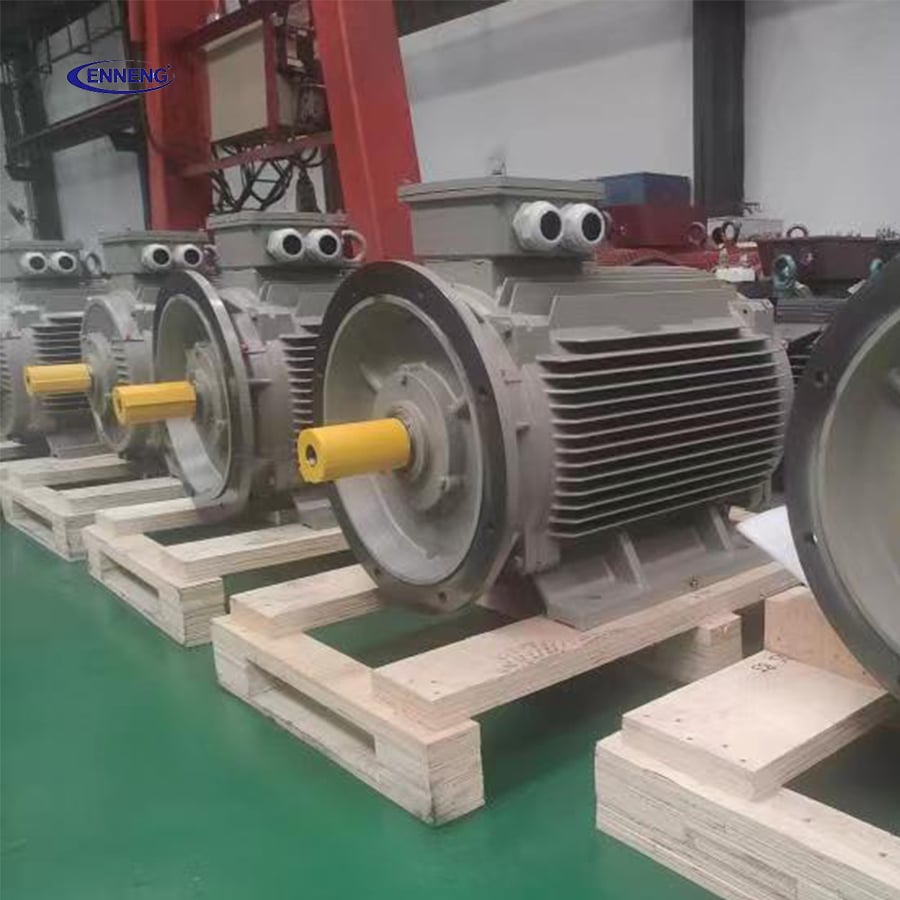
The case for a Direct Drive Motor is strongest when the current gearbox is a recurring source of replacement-part complexity or when access makes mechanical service disruptive. Continuous-duty equipment, low-speed high-torque duties, and installations where gearbox oil management, alignment work, or reducer lead times create production risk are logical places to investigate. A Gearless Motor can also suit enterprises trying to simplify service procedures across geographically dispersed sites.
Still, direct drive is an engineering decision, not a blanket retrofit rule. The motor must deliver the required continuous and transient torque at operating speed; the load inertia and duty cycle must be assessed; and the controller, feedback system, cooling method, environmental protection, and mounting arrangement must fit the site. If the load needs ratios that a direct-drive arrangement cannot provide economically, the gearbox may remain the more practical option.
How to specify a Direct Drive Motor without shifting risk downstream
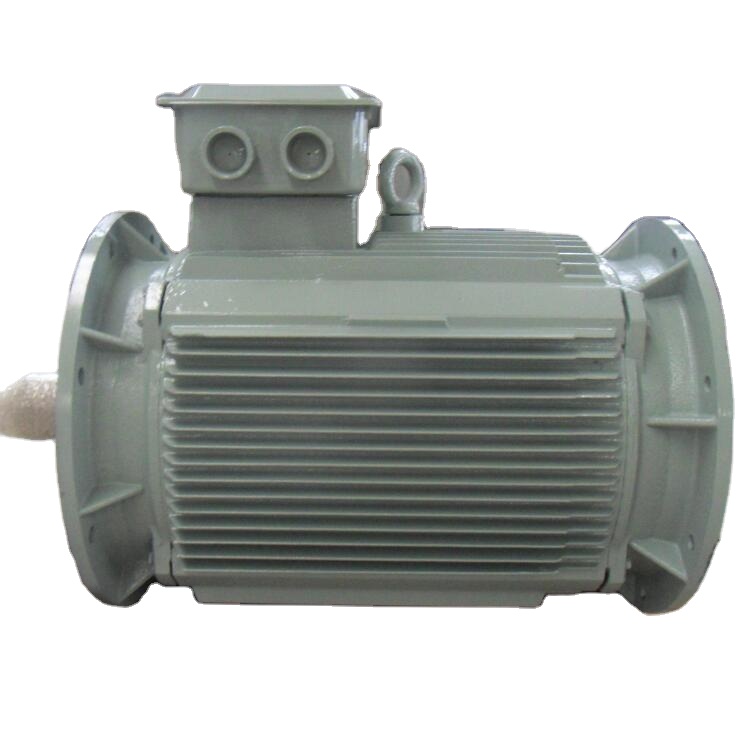
When requesting a Direct Drive Motor, procurement and engineering should ask suppliers to connect the design to the application rather than quoting only a nameplate rating. Useful discussion points include the load profile, required torque margin, shaft and frame interface, thermal conditions, ingress protection, bearing loads, feedback requirements, variable-speed control, and the availability of repair documentation and replacement components. Qingdao Enneng Motor designs and manufactures permanent-magnet motors with in-house winding capability, which can support application-specific discussion; however, the final design still needs validation against the actual machine duty.
A Direct Drive Motor can be a sound inventory strategy because it removes components that otherwise require their own stocking logic. The gain is not simply fewer boxes in a storeroom. It is a cleaner relationship between the machine architecture, the maintenance plan, and the capital reserved for production protection.