
what-mechanical-matching-obstacles-may-occur-during-retrofit-induction-to-pmsm-field-execution, what-mechanical-matching-obstacles-may-occur-during-retrofit-induction-to-pmsm-field-execution, /blog
EN

2026/09/15
Partem difficillimam substitutionis antiquae machinae inductionis pro unitate magnetis permanentis raro est specificatio electrica; sed potius aptus physicus in armatura angusta et senescente. Retrofit Induction ad PMSM debet stare super eundem pedem, partire altitudinem axis, et movere eandem onerem sine mutatione fundamenti. Executio in campo revelat dissonantias quas schemata levigant, et differentia dimidii pollicis in linea centrali axis potest totum opus in loco obstare.
Una linea di trasporto in massa ha pianificato una sostituzione induttiva con motore a magneti permanenti su un azionamento funzionante da vent’anni. L’unità nuova è arrivata con altezza dell’albero diversa e corpo più corto, quindi il giunto non raggiungeva e i fori per i piedi non corrispondevano alla base. Il team ha realizzato distanziali e ha forato nuovamente la piastra di fondazione in loco, perdendo un turno e rischiando un’allineatura errata. Il risparmio della sostituzione induttiva con motore a magneti permanenti si è realizzato soltanto dopo che l’adattamento meccanico è stato forzato, poiché nessuno aveva misurato la linea centrale originale prima dell’ordine.
Machinae vetustae ad antiquiores normas structurae constructae sunt, et basis circumiacens, coniunctio, et onus impulsum ad eandem geometriam adaptati sunt. Retrofit Induction to PMSM ad noviores normas structurae fabricata potest altior vel longior esse quam unitas quam substituit, ita ut axis iam non congruat cum onere. Accretio picturae, pedes attriti, et lecti distorti addunt millimetra quae se multiplicent. Ergo Retrofit Induction to PMSM convenit historiae physicae aedificii, et obstaculum est interstitium inter catalogum et veram, stabilitem structuram.
Obstacula circa geometriam et dynamica congregantur: altitudo axis et paternus pedum, deinde inertia et comportamentum coniunctionis. Planum Retrofit Induction to PMSM quod utrumque ante ordinandum metitur vitat fabricationem in loco quae tempus et alignment consumit.
Altura de la línea central del eje determina si el acoplamiento se alinea correctamente, y el patrón de los orificios para los pies determina si la unidad se fija sin necesidad de perforar. Una sustitución de motor de inducción por un motor síncrono de imanes permanentes (PMSM) con una altura distinta de la línea central exige arandelas o una nueva placa base, cada una incrementando el riesgo de desalineación. Los patrones de orificios varían entre generaciones de bastidores, por lo que los agujeros para los pernos podrían no coincidir en absoluto con la base anterior. Medir previamente la altura de la línea central existente y el diseño de los orificios antes de pedir la sustitución de motor de inducción por PMSM transforma una crisis en campo en un ítem verificado en la cotización.
Rotor magnetis perpetui inerziam suam habet et comportamentum initiale diversum ab unitate inductionis quam substituit, et coniunctio praesens ei forsan non convenit. Retrofit Induction to PMSM quae inerziam reflectam mutat coniunctionem potest distendere aut resonantiam trenis mutare. Coniunctio rigida quae in machina vetere bene functa est, scilicet ictus transmittit quem novus rotor non vult. Coniunctionem aptare et rationem inerziae verificare stabilitatem Retrofit Induction to PMSM servat, quia interfacies mechanica, non tabella nominis, primam rotationem regit.
Normae de montando et aequilibrando conversionem in controles mensurabiles vertunt. Retrofit Induction to PMSM quae his normis congruit vere rotat et disponibilis manet, quare norma planum operis ducere debet.
IEC 60034-7 definit arrangiamenta montagii et dimensiones cadrī, referentiam utrum Retrofit Induction ad PMSM ad basim veterem aptārī possit et altitudinem axis condividat. Verificātiō normae antequam ordinētur praecavet forātiones et interpositiōnēs in locō quae lineam convectōris unum turnum consumunt. Norma dat data pedum et lineae centralis quae in campo necessāria sunt, ita ut Retrofit Induction ad PMSM prīmō in chartā, deinde in sōlō aptētur, sine sorprīsīs intermediae.
ISO 1940-1 stat gradūs balāntiae ut novus rotor post aptātionem mechanicam vere rotētur, et ISO 10816 limitēs vibrātiōnis praebet ut confirmētur allīgnamentum manēre. Retrofit Induction ad PMSM quod utramque normam superat probat executionem in campo esse puram, quia bona balāntia et tendentia vibrātiōnis parvae significat axem cum onere allīgnārī. Hae normae transformant aptātionem mechanicam ab coniectūrā in rēs mensūrātam quam locus notāre et fīdere potest per tempus.
Choosing and fitting the unit means measuring the old machine as carefully as specifying the new one. A Retrofit Induction to PMSM performs to its rating only when the mechanical execution matches the real frame, not the ideal drawing.
Measure shaft centerline height, foot hole pattern, body length, and coupling type on the running machine before quoting. A Retrofit Induction to PMSM should match those numbers or arrive with a documented adapter plan, not a hope. Confirm the inertia ratio with the driven load and pick a coupling suited to the new rotor. When the Retrofit Induction to PMSM is specified against the measured frame, the field execution becomes a bolt-up instead of a fabrication job on the floor.
Installa secundum planum scriptum ad aptationem: verificare lineam centralem per cuneos si opus est, torque pedes ad valorem specificatum, et allinea coniunctionem ante primum usum. In conversione ab inductione ad PMSM, lege vibrationem post allinationem et iterum post primam hebdomadam sub onere, quia parvae errores aptationis manifestantur sub vero torque. Serva data mensurata corporis cum novo registro, et inspice coniunctionem et pedes in itinere praedicto, ut congruentia mechanica maneat vera per totam vitam operationis.
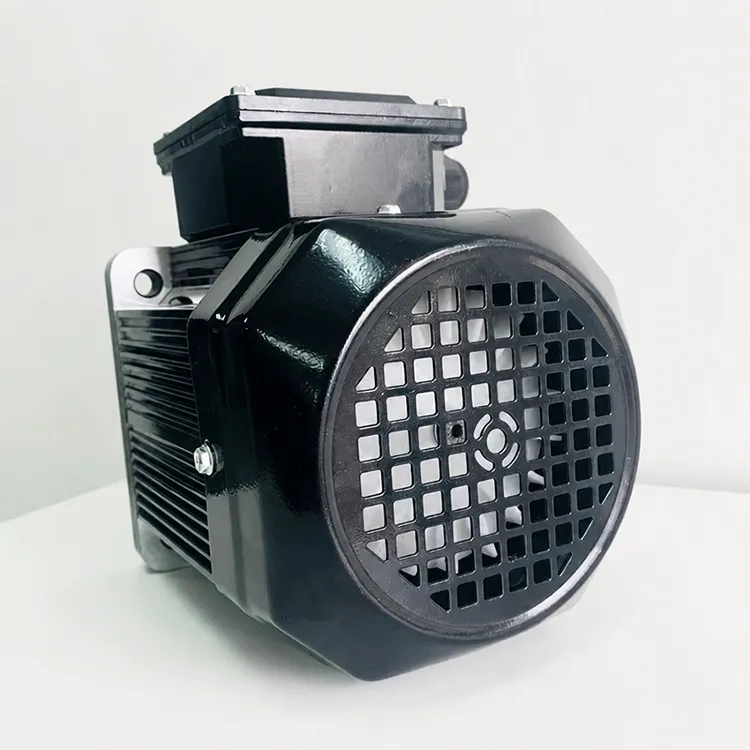
Vetera machinae sequuntur vetera normas corporum, et basis, coniunctio, et onus ad hanc exactam geometriam erant adaptata. PMSM conversa ex inductione, quae ad novam normam corporis construitur, fortasse altior vel longior est, ita ut axis non amplius recte iaceat et pedes foramina non attingant. Pictura, pedes attriti, et basim deformatam addunt millesima quae multiplicatur. Obstacle est inter descriptum in catalogo et verum corpus iam positum in pavimento.
Altitude of shaft centerline and pattern of foot holes lead. A Retrofit Induction to PMSM with different centerline height forces use of shims or a new bedplate, and foot hole patterns vary across frame generations, so bolts may not align. Either issue turns a simple bolt-up into custom fabrication. Measuring existing centerline height and hole positions before ordering prevents on-site drilling that once cost a conveyor line an entire lost shift and introduced risky alignment conditions.
Yes, because the permanent magnet rotor has its own inertia and exhibits different starting behavior than the induction motor it replaces. A Retrofit Induction to PMSM that alters reflected inertia can overstress the coupling or shift the mechanical train’s resonance frequency. A rigid coupling suitable for the old motor may transmit shock loads incompatible with the new rotor’s dynamics. Matching the coupling type and verifying the inertia ratio ensures stable, safe first rotation.
IEC 60034-7 defines mounting arrangements and frame dimensions, the reference for whether the new unit bolts down and shares the shaft height. Checking it before order prevents field drilling and shimming. ISO 1940-1 sets balance grades and ISO 10816 gives vibration limits to confirm the alignment held, so the Retrofit Induction to PMSM is matched on paper first and proven true by measurement after the fit.
Adapters and shims can close a centerline or hole gap, but they add alignment risk and fabrication time on the floor. A Retrofit Induction to PMSM should arrive with a documented adapter plan when the frame differs, not a hope that the fit works out. Used carefully, adapters recover the job; used blindly, they introduce misalignment that the vibration trend will later expose as a bearing or coupling fault.
Installa secundum planum scriptum ad aptationem: interpona laminas ad lineam centralem, torque pedes, et allinea coniunctionem ante operationem. Inductio renovata ad PMSM meret lectionem vibrationis post allinationem et sequentiam post primam hebdomadam sub onere, quia parvae errores aptationis apparent sub vero torque. Serva data mensurata corporis cum novo registro et inspice coniunctionem et pedes in itinere, ut congruentia mechanica maneat vera per totam vitam operationis.

 EN