
 EN

From a procurement standpoint, a motor comparison begins with a quotation but should not end there. The lowest quoted unit price can be the right choice for a lightly used, fixed-speed machine. It becomes a weak decision rule when the motor runs for long shifts, sees a variable load, or sits in a process where an unplanned stop is expensive. That is the central issue in a PMSM vs Induction Motor Cost decision: buyers are comparing two ownership paths, not merely two invoices.
A Permanent Magnet Motor PMSM commonly carries a higher purchase price because its rotor uses permanent magnets and its application may require a compatible variable-frequency drive and commissioning work. An induction motor can be simpler to source and familiar to maintain. Neither observation determines the better economic choice. The useful question is which option has the lower cost of useful work over the expected service period under the actual duty cycle.
Start the PMSM vs Induction Motor Cost comparison with the job, not the catalog price
A quick comparison of rated kW, list price, and one stated efficiency figure is tempting. That approach misses the conditions that turn a small efficiency difference into a material operating expense: annual hours, load distribution, local electricity price, speed-control method, ambient conditions, and the cost of production interruptions. Electric motor-driven systems account for more than 40% of global electricity consumption in IEA materials, which is a useful reminder that motor energy is not a minor line item at system scale. It does not mean every replacement automatically pays back; it means the operating case deserves calculation.
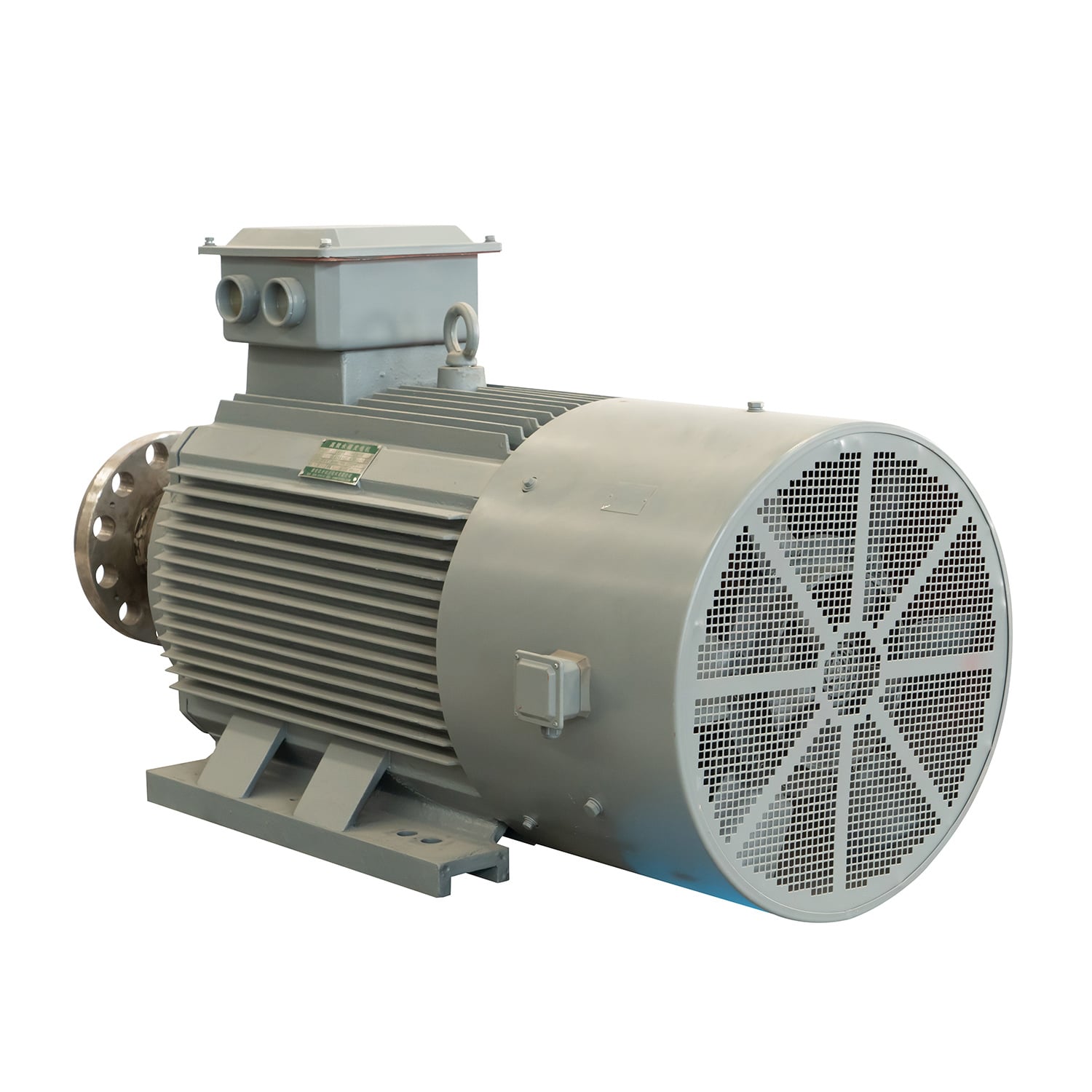
For a fair PMSM vs Induction Motor Cost evaluation, collect the load profile before requesting a final quotation. Record how many hours the machine operates at 25%, 50%, 75%, and near-rated load; how often it starts; whether speed is throttled mechanically; and whether the line can tolerate a shutdown. A fan, pump, compressor, conveyor, or mixer rarely spends every hour at the nameplate condition used for a simple catalog comparison.
Build a total-cost-of-ownership model
The model does not need a false sense of precision, but it does need the material categories. U.S. Department of Energy lifecycle-cost guidance similarly frames acquisition, energy, operation and maintenance, and residual value as economic inputs rather than treating purchase price as the whole decision.
- Acquisition: motor, drive, controls, cables, protection, freight, and any mechanical adaptation.
- Installation and commissioning: labor, parameter setup, harmonics or EMC review where applicable, and acceptance testing.
- Energy: annual input energy calculated at the actual load points, not only at rated load.
- Maintenance and spares: inspections, bearings, drive service, inventory policy, and technician time.
- Downtime exposure: lost output, restart labor, quality loss, and the cost of delayed service.
- End-of-life value and risk: expected life, replacement planning, and sensitivity to electricity and magnet pricing.
This framework changes the PMSM vs Induction Motor Cost discussion from “Which motor is cheaper?” to “Which option has the lower discounted ownership cost for this operating pattern?” It also makes assumptions visible to engineering, operations, and finance instead of leaving the decision to a purchasing target.
Why efficiency must be evaluated at the real load points
A PMSM may offer an advantage where a duty cycle spends substantial time below rated load, particularly when the motor and drive are selected as a system. But the claim must be qualified: the magnitude depends on the motor design, size, speed range, drive losses, control settings, and measured load profile. An induction motor can be economically compelling in a low-hour, fixed-speed application where the energy difference is too small to recover a higher installed cost.
Use the following calculation for each representative operating point: annual energy cost = output power ÷ combined system efficiency × operating hours × electricity tariff. Sum the results across the load profile. In a PMSM vs Induction Motor Cost analysis, compare combined motor-and-drive efficiency on a consistent basis. Do not compare a PMSM with a drive against an induction motor quoted without the control equipment it actually needs.
After that, run sensitivity cases. What happens if annual runtime is 2,000 rather than 6,000 hours? If the tariff rises? If the machine operates mostly at 40% load rather than 80%? A result that remains favorable across reasonable inputs is stronger than a payback built on a single optimistic assumption.
Account for controls, integration, and operating risk
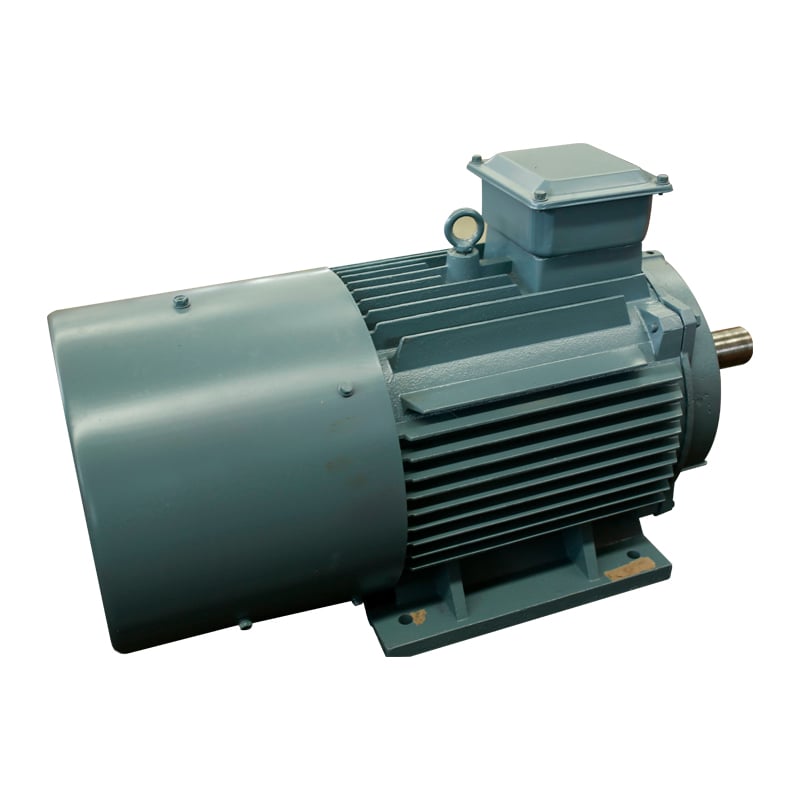
The purchase decision usually starts with unit price, but the number that matters over a multi-year deployment is the cost of keeping the system productive. For a Permanent Magnet Motor PMSM, confirm drive compatibility, feedback requirements where relevant, derating, fault behavior, service capability, and spare-drive lead time. For an induction motor, confirm whether the chosen starting method and speed-control strategy create avoidable energy loss or mechanical stress.
Integration can reverse an apparently obvious result. If a PMSM installation requires a major control-panel redesign for a short-lived, lightly used asset, the initial premium may not be justified. Conversely, if a variable-duty process currently wastes energy through throttling or runs nearly continuously, ignoring the operating savings can make the cheaper purchase the more expensive decision. This is why a PMSM vs Induction Motor Cost worksheet should include one-time integration cost and a realistic downtime scenario rather than hiding both outside the comparison.
Use a decision gate instead of a blanket winner
|
Condition |
Economic implication |
What to verify |
|
High annual hours and variable load |
Energy savings may have room to offset a higher installed cost. |
Part-load efficiency map, tariff, and load data. |
|
Low annual hours and stable full-load duty |
Initial cost can carry more weight. |
Installed-price gap and realistic energy use. |
|
Costly downtime or remote access |
Serviceability and spare strategy become financial variables. |
Drive support, lead times, and maintenance plan. |
|
Uncertain process changes |
A flexible drive-and-motor system may have option value. |
Future speed range and controls roadmap. |
The conclusion is deliberately conditional. A PMSM vs Induction Motor Cost comparison should favor the induction option when the asset is low-duty, fixed-speed, simple to replace, and the calculated energy benefit is immaterial. It should give a PMSM serious consideration when annual hours, part-load operation, energy price, and interruption cost are high enough that lifecycle savings can plausibly exceed the installed premium.
A procurement checklist that keeps price in its proper place
- Request efficiency data at the load and speed points the equipment will actually see.
- Quote the complete installed system for both options, including drives and commissioning.
- Calculate annual energy cost from the load profile, then test conservative and high-use cases.
- Assign an agreed cost basis to maintenance, spare availability, and credible downtime exposure.
- Document which assumptions would change the recommendation and review them with operations.
If you are evaluating commercial permanent magnet motors for sale and need an engineered drive solution that guarantees efficiency and longevity, ENNENG is your trusted partner.Contact ENNENG Today.Speak to our technical engineering team to receive a customised drive proposal.
- WhatsApp: +86 18562780228
- E-Mail: [email protected]
- Phone: +86 532 66000559