
why-explosion-proof-pm-motor-is-indispensable-for-chemical-and-petrochemical-manufacturing-workshops, why-explosion-proof-pm-motor-is-indispensable-for-chemical-and-petrochemical-manufacturing-workshops, /blog
EN

2026/09/21
A solvent recovery unit in a petrochemical workshop ran its circulation blower inside a Zone 1 area where flammable vapour is expected to be present during normal operation. The plant had specified an ordinary motor behind a purge system, until a routine inspection found the purge flow had drifted below the safe threshold for weeks. An Explosion Proof PM Motor rated to the correct gas group and temperature class would have removed that dependence on auxiliary protection, because the machine itself contains any arc or hot surface behind a flameproof enclosure.
The same logic applies wherever a flammable atmosphere is possible, from solvent storage to paint booths, because the Explosion Proof PM Motor treats the hazard as a design input rather than an afterthought.
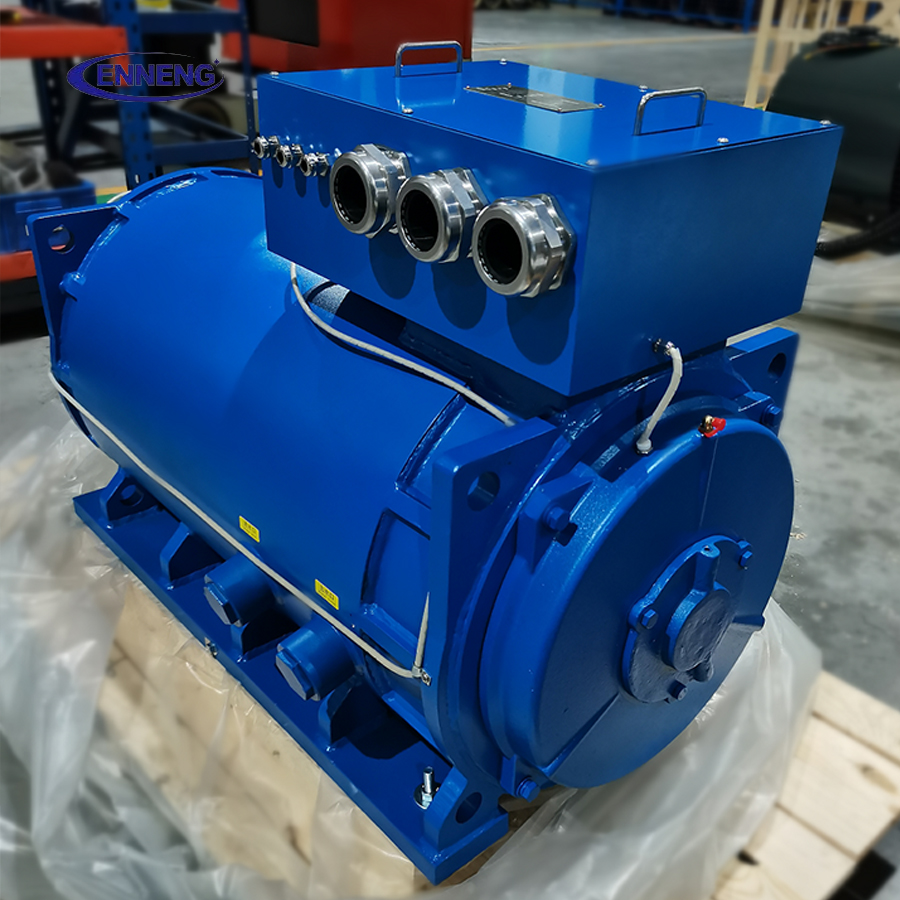
Periculum occultum est quod motor standardis construitur ad aera movendam, non ad atmosphaeram inflammabilem superandam. Arcus interni, contactus glissantes, et calor superficialis unum tantum defectum ab ignitione separant, et periculum crescit dum machina aetatem capit et signa indurant. Motor PM Explosion Proof hanc quaestionem solvit per designum, non per additamenta; tamen multae stationes adhuc emunt propter pretium et discunt pretium violationis in area classificata dum auditur. ENNENG removet coniecturas suppeditando unitates constructas et examinatas secundum scheme recognitum areae periculosae, cum documentis quae permittunt officialem securitatis aream signare sine solutione obliqua.
The Explosion Proof PM Motor also removes the weak link that purge systems create, since a purge depends on air that can fail silently. When protection moves into the machine itself, the area stays classified-safe even if the auxiliary system drifts, which is the condition most audits eventually find. Sites that specify the Explosion Proof PM Motor on the enclosure first, then the efficiency, avoid the false comfort of a workaround nobody was watching.
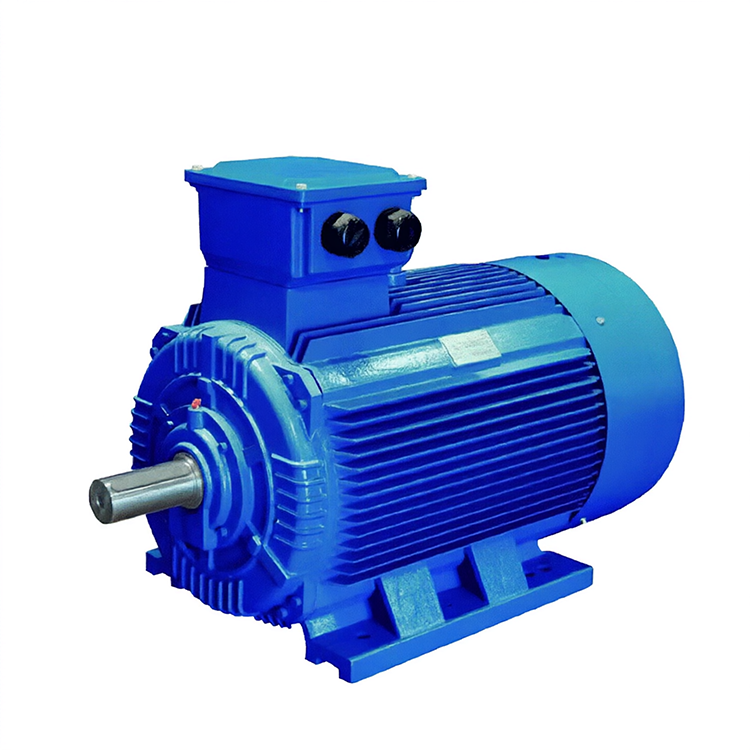
The ENNENG flameproof permanent-magnet platform pairs the IE4 or IE5 rotor with an EX d enclosure that contains an internal explosion and cools the vented gas below the auto-ignition temperature of the surrounding atmosphere. The table below contrasts a standard enclosed motor with the certified Explosion Proof PM Motor on the points that decide whether a workshop stays permitted to run.
|
Dimensio |
Standard enclosed motor |
Explosion Proof PM Motor |
|
Ignition containment |
None, relies on purge |
Explosion-proof EX d enclosure |
|
Temperies Superficialis |
Uncontrolled at overload |
Limited by T-class rating |
|
Efficiency at part load |
Drops with slip |
Holds IE5 band |
|
Ingressus Praesidium |
Often IP54 |
IP55 as standard |
|
Argumenta examinis |
Minimus |
Certificatus, documentatus |
A credible Explosion Proof PM Motor is selected on the gas group and T-class first, then on efficiency. ENNENG units in Class F insulation run with thermal margin that keeps the external surface inside its rated temperature class even when the process heats the room, which is the condition most often missed during a hasty specification. The permanent-magnet rotor also runs cooler than an induction equivalent at the same shaft power, so the enclosure has less heat to reject and the temperature-class margin stays honest under summer load.
Alia causa pro specificando Explosion Proof PM Motor est profilus oneris in officina chemica, qui oscillat cum cyclis partium et cursibus purgationis, quos unitas inductionis cum extra currente et calore admitteret. Designatio magnetorum permanentium istas oscillationes sustinet sine excedendo classe sua thermica, ita ut casus securitatis non innitatur operatori qui diem calidum animadvertit. ENNENG documentat marginem thermicum adversus pessimum ambientem localem, dicens officiali securitatis numerum potius quam assumptionem.
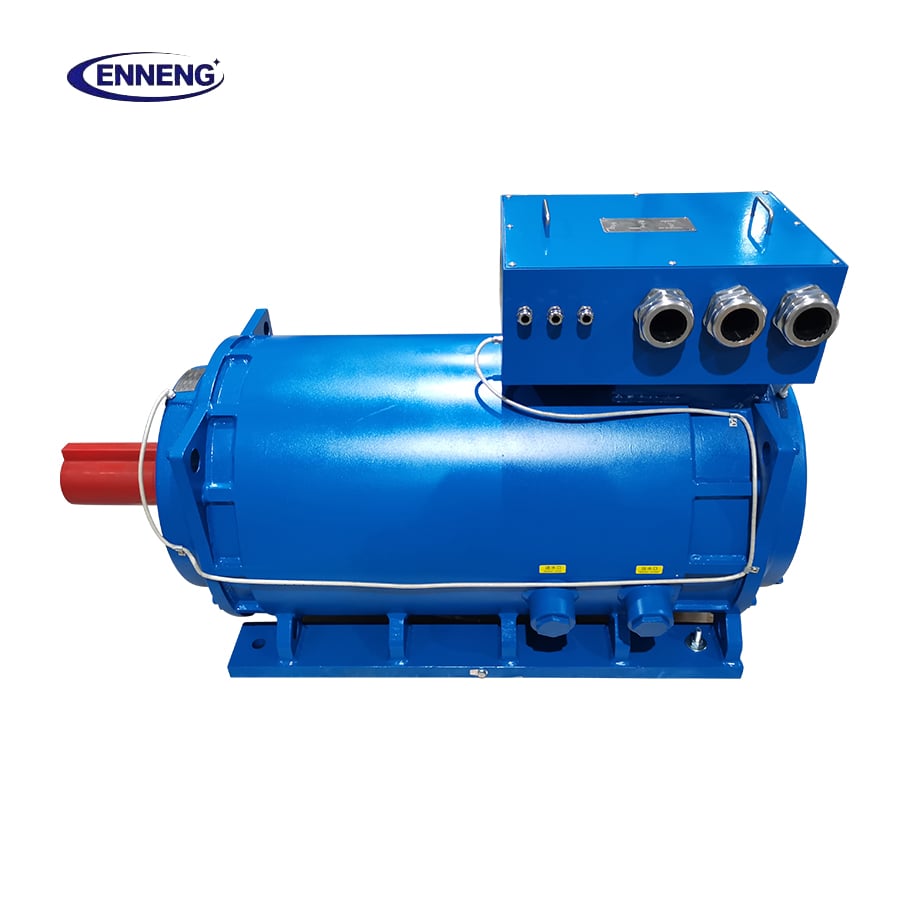
Duties in hazardous areas constitute one of the most strictly regulated domains of industrial power. The Explosion Proof PM Motor is evaluated against a well-defined set of international references. IEC 60079 specifies equipment protection methods, hazardous zones, gas groups, and temperature classes—criteria verified by certification bodies. The ATEX 2014/34/EU Directive applies these same principles across European workplaces, while NFPA 70—the National Electrical Code—governs classified locations in the United States via Article 500. OSHA 29 CFR 1910.307 requires employers to use equipment appropriate for the specific location, and IEC 60034 covers motor performance requirements. Citing all these standards collectively transforms a procurement decision into a defensible safety action—not mere hope.
Specifying the right Explosion Proof PM Motor starts with the area classification drawn by a competent person: the zone, the gas group, and the T-class the process demands. An Explosion Proof PM Motor must be matched to the process gas group before the frame is chosen, because the enclosure and the certification follow the hazard, not the horsepower. ENNENG prepares the hazardous-area file for the target market so the unit clears the audit in one move. Choose the enclosure protection method that matches the zone, confirm the IP55 ingress rating, and verify the certificate covers the exact gas group rather than a generic claim. During installation, protect the conduit entries and torque the flamepath joints to the stated values, because a loose cover defeats the containment. Maintenance stays inspection-led: check the flamepath for damage, confirm the temperature-class label is intact, and log surface temperature at full load each season so drift shows before it becomes a violation. log surface temperature at full load each season so drift shows before it becomes a violation. The Explosion Proof PM Motor rewards this light discipline, because the containment that does the safety work needs only inspection, not constant intervention.
ENNENG builds flameproof permanent-magnet machines under ISO 9001 and CE, with hazardous-area documentation prepared for the target market. Share the area classification and the driven load profile with the engineering team to receive a motor matched to the gas group, T-class, and voltage inside the 110V to 690V range.
Contact ENNENG using any of the routes below:
A:The difference is containment. A standard motor relies on external purge or separation to stay safe, while an Explosion Proof PM Motor carries a flameproof EX d enclosure that contains any internal arc and cools vented gas below the ignition point. It is also rated to a gas group and temperature class, and it ships with certification that a safety officer can verify. The permanent-magnet rotor runs cooler, which protects the temperature-class margin under real process heat.
A:La norma IEC 60079 definisce le zone, i gruppi di gas e le classi di temperatura che determinano la classificazione, con il supporto della direttiva ATEX 2014/34/UE in Europa e dell’articolo 500 della NFPA 70 negli Stati Uniti. Una persona competente classifica innanzitutto l’area; quindi si sceglie il motore adatto a tale zona e gruppo. La norma OSHA 29 CFR 1910.307 richiede che le apparecchiature siano idonee al luogo di installazione, pertanto il certificato deve indicare esplicitamente il gruppo di gas specifico, non una dichiarazione generica.
A:Sì, perché l’involucro modifica soltanto la struttura esterna, non la fisica del rotore. L’unità antideflagrante ENNENG mantiene comunque il suo rendimento IE5 anche a carico parziale, e il rotore a magneti permanenti, più fresco, contribuisce effettivamente a mantenere la superficie entro la propria classe di temperatura. Il vantaggio rispetto a un equivalente ad induzione aumenta nelle applicazioni con carico variabile, come accade nella maggior parte dei servizi ausiliari chimici e petrolchimici durante una settimana produttiva.
A:Servatio est inspectione ducta et conservativa. Inspecta est via flammae pro damno, certificatum et temperaturae-classis titulus manent integri, et omnis conductus introitus protegitur dum operatur. Notatur temperatura superficiei externae ad onus plenum singulis temporibus anni, ut quaelibet deviatio appareat antequam fiat violatio areae classificatae; et numquam mutatur clausura, quia via flammae mutata destruit continentionem, cuius gratia ratio data est.


 EN