 EN
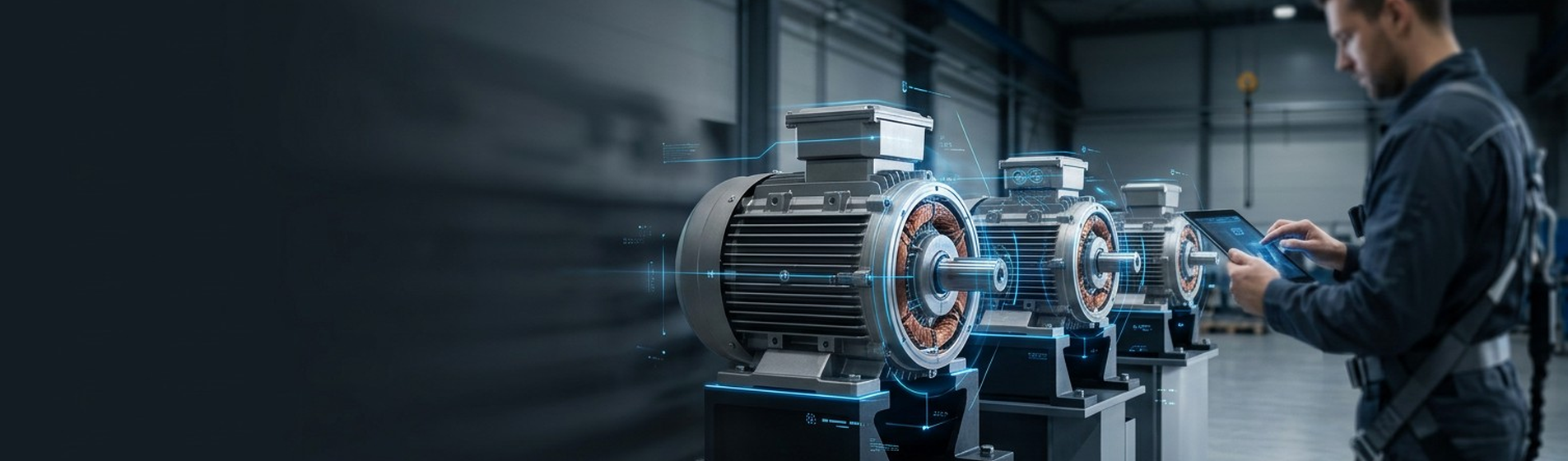
A cooling tower gearbox can look like a small item in a large heat-rejection system, yet it often determines whether a fan train is easy to maintain or a recurring source of unplanned work. A Cooling Tower Direct Drive arrangement changes that architecture: a low-speed motor drives the fan directly instead of sending torque through a gearbox, long shaft, coupling, and associated bearings. The result is not that every cooling tower becomes maintenance-free. It is that several familiar gearbox-related failure paths are designed out of the system.
For facility teams, the useful question is not simply whether a Cooling Tower Direct Drive system is more efficient on a brochure. It is which failure mechanisms disappear, which checks remain, and whether the existing tower, fan, electrical supply, and controls are ready for a direct-drive conversion.
Why conventional gearbox drives create repeat maintenance exposure
In a conventional fan drive, a standard-speed motor typically transfers power through a reducer and mechanical transmission train to obtain fan speed. That train can include the gearbox, oil system, couplings, driveshaft, seals, bearings, and alignment-sensitive supports. Each component has a job, but each also adds an inspection point and a possible source of vibration, heat, contamination, or lost torque.
Gearboxes work reliably when lubrication, alignment, loading, and cooling remain within their intended operating conditions. In industrial cooling facilities, however, wet environments, thermal cycling, intermittent operation, changing fan loads, and access constraints can make that discipline difficult. Oil level and condition need attention. Seals can leak. Shaft alignment can drift. Bearing wear can introduce vibration that reaches other parts of the fan train. A problem discovered late may force an outage at an inconvenient time.
A Cooling Tower Direct Drive design does not merely replace one motor with another. It removes the reduction stage and reduces the number of mechanical interfaces between the motor and fan. That is the basic reason it can reduce gearbox-related breakdowns.
What a direct drive motor removes from the failure chain
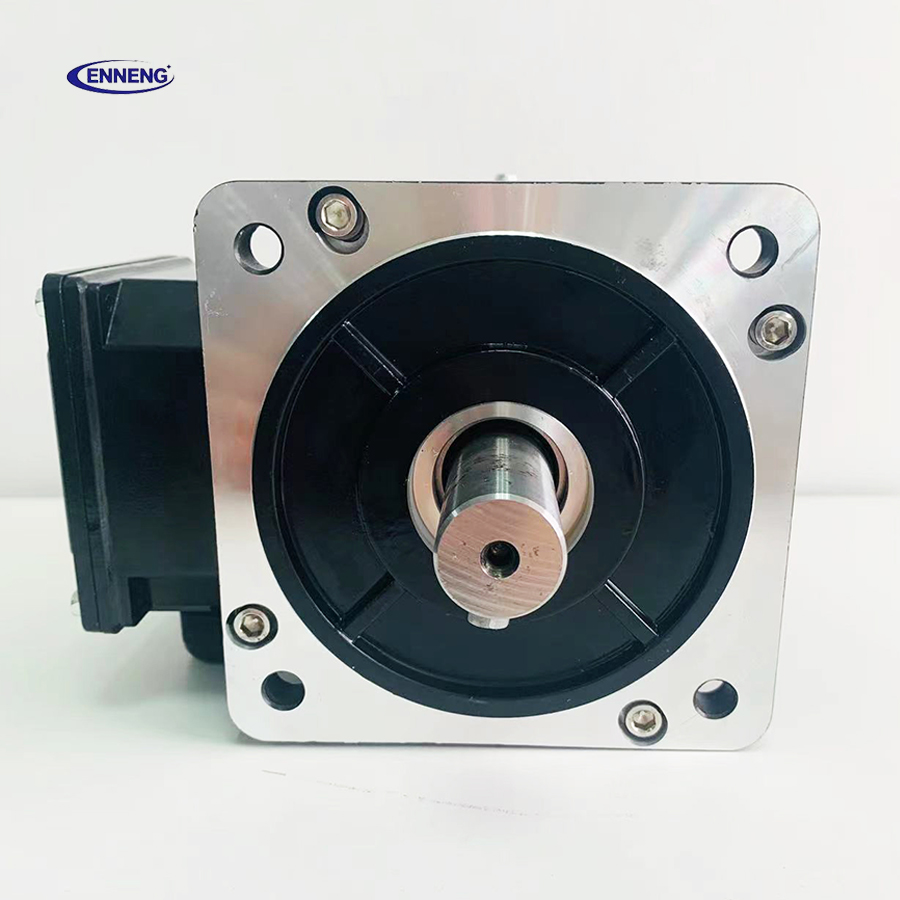
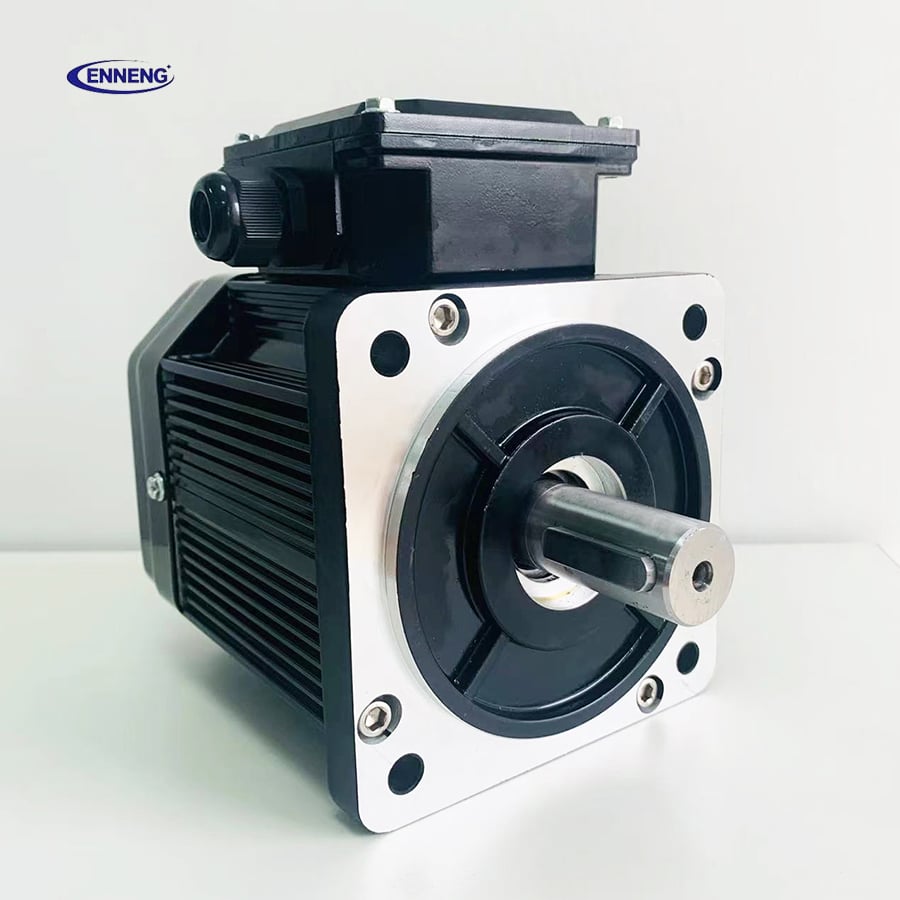
A purpose-designed Direct Drive Motor produces torque at the low rotational speed required by the cooling tower fan. Rather than relying on a gearbox to transform speed and torque, the motor and variable-frequency drive are selected to operate the fan directly. Depending on the original configuration, this can eliminate the gearbox, gearbox oil, oil cooling equipment, long driveshaft, couplings, and some support-bearing arrangements.
- No gearbox lubricant management: there is no gearbox oil level to monitor, change, cool, or protect from contamination.
- Fewer sealing-related concerns: removing the gearbox removes its oil seals and the leak paths associated with them.
- Fewer alignment interfaces: a shorter, simpler mechanical train can reduce the number of coupling and shaft-alignment checks.
- Less transmission hardware: fewer rotating parts mean fewer component-specific wear mechanisms to diagnose.
- Clearer troubleshooting boundaries: technicians can focus on the fan, motor, mounting, electrical controls, and process conditions instead of tracing a fault through a multicomponent reducer train.
This is why a cooling tower direct drive motor can be especially relevant where gearbox repairs repeatedly compete with production schedules. The maintenance benefit comes from mechanical simplification, not from a promise that the fan system no longer needs inspection.
How Cooling Tower Direct Drive changes common breakdown scenarios
Oil contamination, leakage, and lubrication loss
Gear-driven systems need the correct lubricant quantity and condition. Water ingress, degraded oil, incorrect fill level, or a leak can reduce protection where it matters most. With Cooling Tower Direct Drive, the gearbox and its oil circuit are absent, so those gearbox-specific causes cannot develop. This can reduce routine tasks as well as the environmental housekeeping associated with oil leaks.
Misalignment across long shafts and couplings
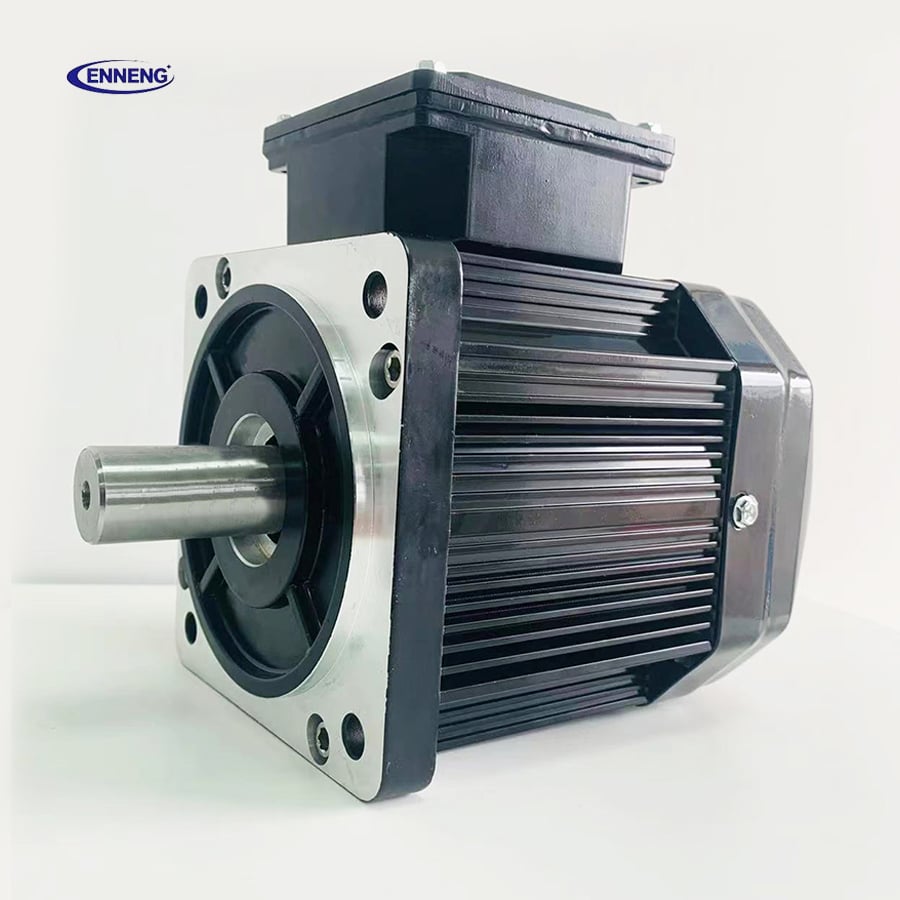
A long mechanical train has more than one alignment relationship to preserve. Foundation movement, bearing wear, thermal changes, or a past repair can alter that relationship. A cooling tower direct drive motor shortens the path from motor to fan, which can reduce alignment-sensitive components. Still, the motor mount, fan hub, and tower structure must be checked carefully. Direct drive removes some alignment tasks; it does not excuse poor installation.
Vibration that hides the root cause
When vibration appears in a geared drive, the source may be gear mesh, bearings, couplings, shaft runout, fan imbalance, or structure. A Cooling Tower Direct Drive system reduces the number of mechanical suspects. That can make condition monitoring more useful, because vibration trends are less likely to be masked by a complex transmission train. A practical caution applies: vibration traced to mounting or fan imbalance will not disappear simply because a gearbox is removed.
Heat and overload stress inside the reducer
A gearbox has its own thermal behavior and loading limits. In a direct-drive arrangement, the motor and inverter take on a more central role in torque delivery and speed control. That shifts the engineering focus toward correct motor thermal design, enclosure protection, cable routing, drive settings, and airflow around electrical equipment. In other words, the reliability work moves from gearbox stewardship to whole-system motor-and-control integration.
Where a Direct Drive Motor adds operational value
The most visible benefit of a Cooling Tower Direct Drive conversion is often reduced gearbox maintenance. Yet industrial facilities may also value quieter operation, fewer rotating transmission components, and variable-speed control that follows actual heat-rejection demand. At part load, a properly engineered direct-drive package may allow the fan to run only as fast as the process requires.
Energy savings should be evaluated site by site. Vendor materials may cite substantial reductions when gearbox and transmission losses are removed, but the result depends on fan curve, operating hours, control sequence, motor efficiency, tower condition, and the baseline equipment. The sound approach is to treat projected savings as an engineering calculation, not a universal percentage.
For plants with difficult tower access, the lifecycle effect can be meaningful. The cost of a gearbox issue is not only the replacement part. It may include lift planning, labor at height, lost cooling margin, process risk, oil handling, and a rushed shutdown. A cooling tower direct drive motor can reduce exposure to that cluster of events by eliminating the component that initiates them.
The ENNENG Customisation Advantage
No two industrial facilities share the same spatial or mechanical constraints. ENNENG stands out because we do not just supply off-the-shelf catalogue products; we specialise in delivering a tailor-made permanent magnet motor tailored to your specific application .
Supported by our elite R&D team consisting of engineers from the National Rare Earth Permanent Magnet Engineering Centre, and backed by dozens of patents, we customise high-voltage (6kV/10kV) and low-voltage (380V/660V/1140V) solutions to match your existing footprint. From water treatment facilities and oil wells to explosion-proof mining environments, we deliver optimal performance where general-purpose motors fail.
If you are evaluating commercial permanent magnet motors for sale and need an engineered drive solution that guarantees efficiency and longevity, ENNENG is your trusted partner.Contact ENNENG Today.Speak to our technical engineering team to receive a customised drive proposal.
- WhatsApp: +86 18562780228
- E-Mail: [email protected]
- Phone: +86 532 66000559
Maintenance does not disappear—it becomes more focused
It is tempting to describe Cooling Tower Direct Drive as maintenance-free. That would be inaccurate. The fan still needs inspection for balance, blade condition, and secure attachment. The motor needs an appropriate environmental rating and periodic electrical checks. The VFD needs correct parameters, ventilation, and fault review. Mounting hardware and the tower structure still deserve attention.
The difference is focus. Instead of splitting labor across gearbox lubrication, seals, couplings, shafts, and reducer diagnostics, a direct-drive maintenance plan can concentrate on the components that remain. For a reliability manager, that is often easier to standardize and less vulnerable to missed gearbox-specific tasks.
A practical reliability decision, not a blanket replacement rule
Cooling Tower Direct Drive is most compelling when gearbox maintenance history, access difficulty, downtime consequences, and variable-speed operation point in the same direction. A well-matched cooling tower direct drive motor can remove gearbox-related breakdown mechanisms and simplify the fan drive. It should not be selected on component count alone.
Start with the existing failure record: oil leaks, bearing replacements, alignment corrections, overheating events, and outage duration. Then compare that record with the mechanical and electrical requirements of a direct-drive package. With the fan duty, structural fit, controls, and commissioning details verified, the move to direct drive can turn repeated gearbox work into a more manageable motor-and-fan reliability program.