
what-performance-indicators-should-textile-machinery-pm-motor-meet-for-high-frequency-cyclic-production, what-performance-indicators-should-textile-machinery-pm-motor-meet-for-high-frequency-cyclic-production, /blog
EN

2026/10/29
What performance indicators should Textile Machinery PM Motor meet for highfrequency cyclic production
Textile lines live on rhythm. Spinning, winding, and weaving cycles repeat thousands of times per shift, and the motor must answer every command without drift, heat, or noise.
A weaving mill in Guangdong runs dobby machines with up to 1,800 start stop cycles per day. The previous AC motors heated the gearbox and lost tension accuracy after warm up. After fitting ENNENG Textile Machinery PM Motor units with direct drive, the mill kept tension stable across the full shift and cut gearbox maintenance to near zero. The same upgrade later moved to the winding section with the same result.
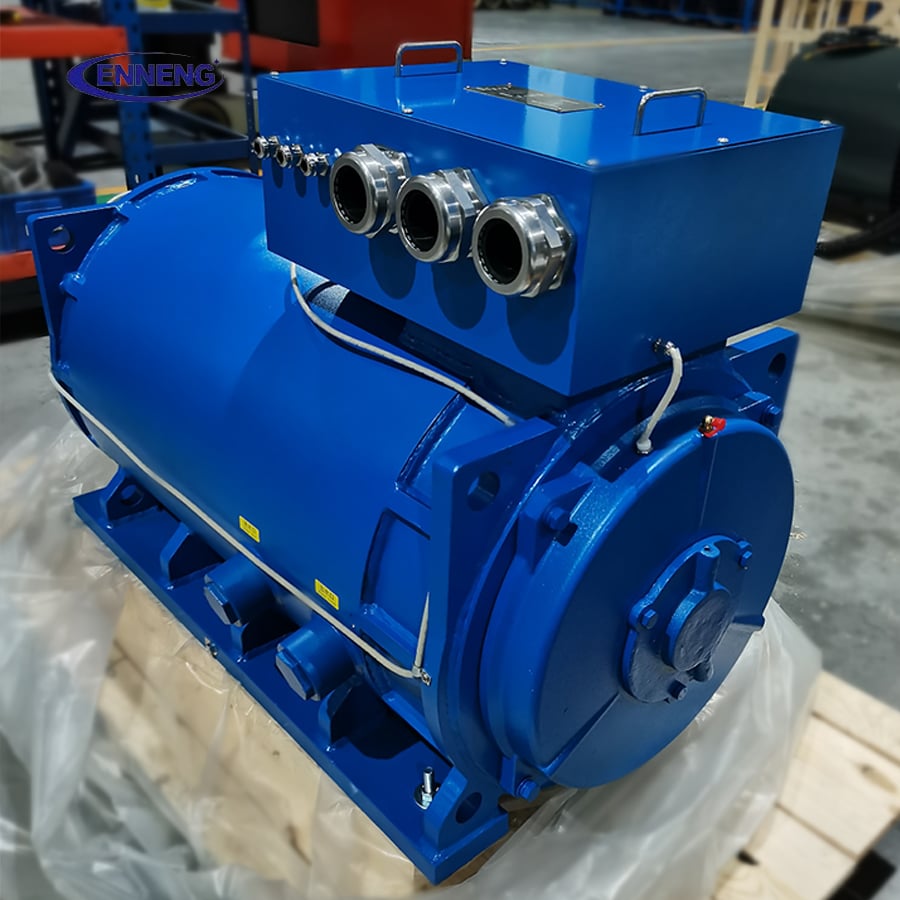
High frequency cycling punishes ordinary motors with heat, vibration, and lost synchronization. Tension drift ruins fabric quality and raises reject rates, while bearing wear stops the line. A Textile Machinery PM Motor from ENNENG answers with fast torque response and low loss, holding speed and tension through every cycle without the gearbox that fails first.
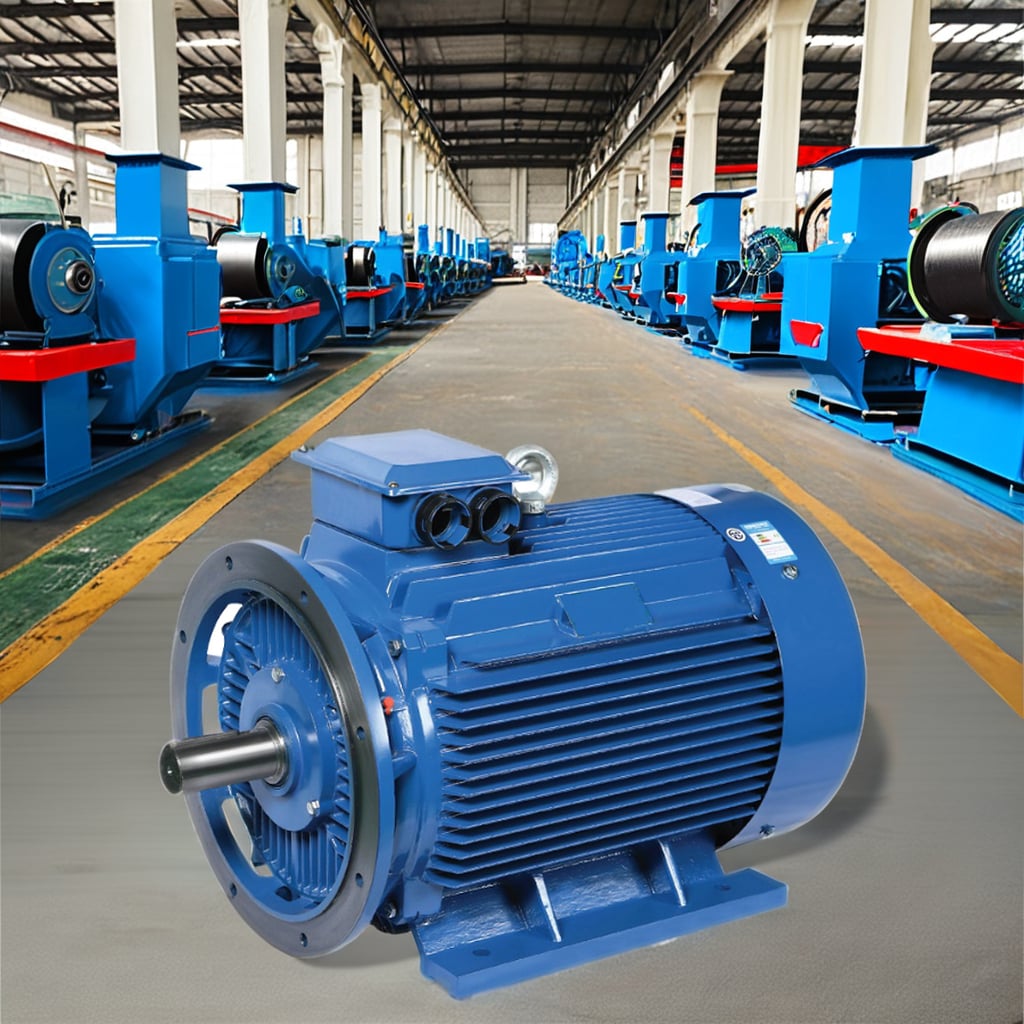
A Textile Machinery PM Motor for cyclic duty must score well on five indicators: torque response, speed accuracy, thermal stability, efficiency, and acoustic noise. ENNENG designs the Textile Machinery PM Motor with a low speed direct drive permanent magnet motor layout that removes the gearbox and its failure points. The table lists typical targets for a 22 kW winding application.
|
Indicator |
Requirement |
ENNENG Textile Machinery PM Motor |
|
Torque response |
< 20 ms to rated |
12 ms |
|
Speed accuracy |
+/- 0.2% |
+/- 0.1% |
|
Temperature rise |
< 50 K |
34 K |
|
Efficiency at 60% load |
> 90% |
95% |
|
Noise |
< 75 dB |
68 dB |
The ENNENG Textile Machinery PM Motor reaches rated torque in 12 ms, so tension stays constant during rapid reversals. Speed accuracy of +/- 0.1% protects fabric weight and pattern, while the 34 K rise keeps the winding insulation cool through long shifts. At 60% load the motor holds 95% efficiency, well above the 90% target, which lowers the plant cooling load. ENNENG also supplies a permanent magnet generator rated 5kW to 5MW at 110V to 690V for combined power and recovery, plus vertical axis wind turbine generators from 1kW to 10kW for auxiliary renewable supply.
Selecting a Textile Machinery PM Motor means weighting these indicators by the process, not by a single headline number. A spinning frame prizes speed accuracy, while a winding machine prizes torque response during reversal. The ENNENG Textile Machinery PM Motor tunes the magnetic circuit per application, so the same platform serves both without compromise. That flexibility shortens the spare parts list across the whole plant.
Textile motor quality references IEC 60034 for rating and efficiency, ISO 1940 for rotor balance that limits vibration at high cycle rates, and ISO 10816 for vibration zones on the machine frame. IEC 61800 covers the drive that delivers the fast torque response. NFPA 70 defines safe wiring for the install, and OSHA 29 CFR 1910.212 guards moving parts during maintenance. ENNENG matches product data to these norms for audit ready qualification.
Qualify a Textile Machinery PM Motor by logging cycle count, peak torque, and acceptable tension drift before selection. Choose an ENNENG Textile Machinery PM Motor rated for the thermal class of the shift length, and confirm the drive supports fast torque mode for the Textile Machinery PM Motor. Check shaft balance annually to ISO 1940, monitor bearing temperature each month, and keep the encoder clean for accurate speed feedback. Replace coupling grease on schedule, log vibration against ISO 10816, and keep a spare stator module to cut line down time to minutes. Train operators to read the drive alarm log so small faults are caught before they become stops.
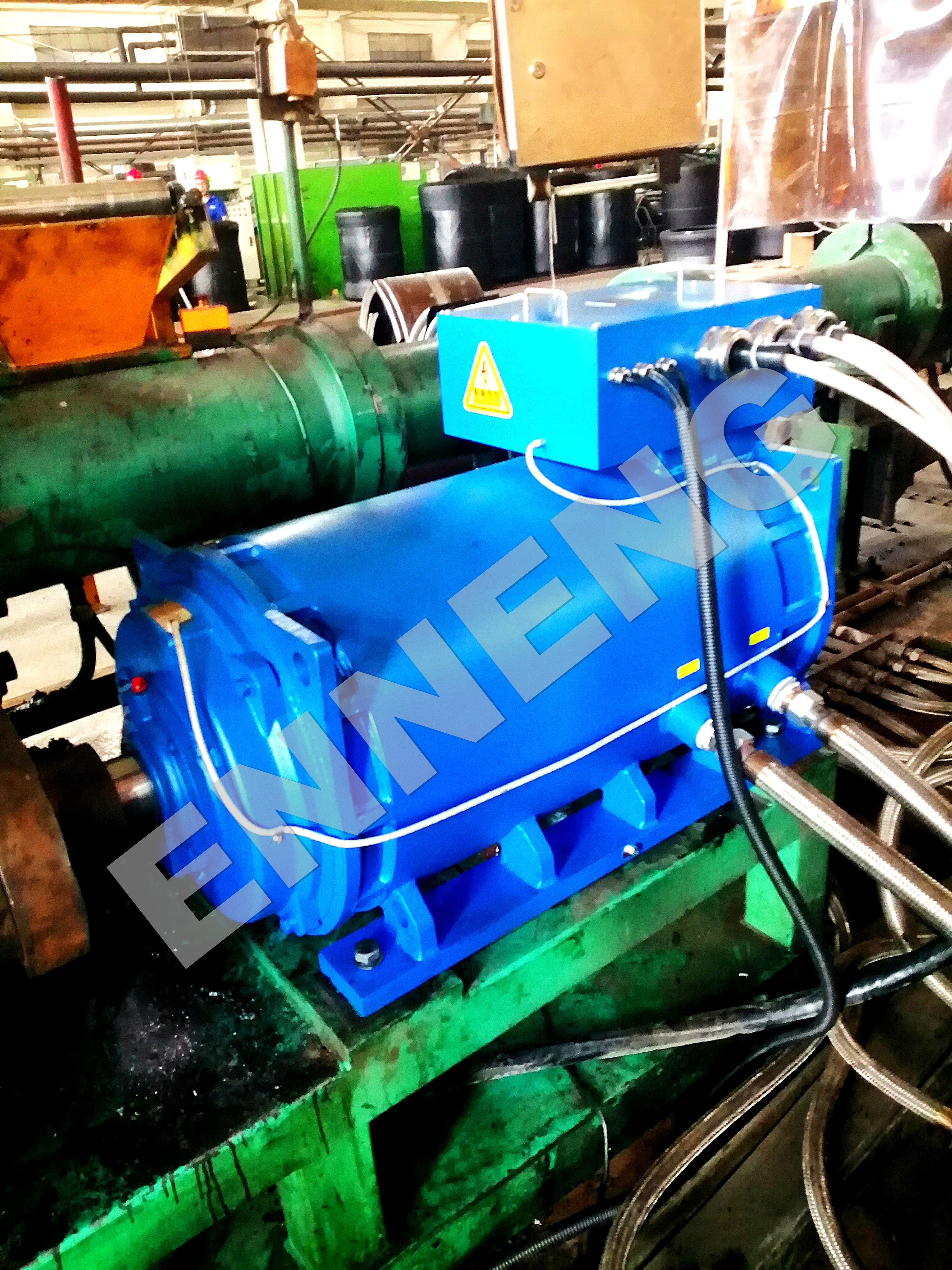
Need a PM motor spec that survives thousands of daily cycles? Send the cycle count, peak torque, and tension tolerance, and ENNENG returns a tuned direct drive proposal with the right thermal class. Early contact locks the magnetic circuit to the process before production targets shift.
A: A Textile Machinery PM Motor delivers fast torque response and tight speed accuracy without a gearbox, so tension stays constant across thousands of daily cycles. The ENNENG design runs cooler and quieter than AC alternatives, which protects fabric quality and cuts the maintenance that stops production. Removing the gearbox also deletes the single part that fails most often on cyclic lines.
A: In many winding and direct drive applications, the ENNENG Textile Machinery PM Motor mounts straight to the load at low speed, removing the gearbox entirely. That deletes a major failure point, lowers noise, and improves part load efficiency across the production range. Where a gearbox is still required, the motor pairs with a matched reducer sized for the cycle duty and the local ambient conditions.
A: The ENNENG Textile Machinery PM Motor uses an encoder and field oriented drive control to hold +/- 0.1% speed. Because the rotor has no slip, accuracy does not drift with temperature the way an induction motor does, keeping fabric weight consistent shift after shift. Closed loop tuning also rejects load disturbances from sudden tension changes on the same shaft.
A: Log vibration to ISO 10816, check bearing temperature monthly, and keep the encoder clean for accurate feedback. The ENNENG low speed direct drive layout removes gearbox grease jobs, so the main tasks are thermal checks and balance verification at the annual service window. Keep a spare stator module on the shelf so a fault becomes a minutes long swap, not a days long unscheduled stop.

 EN