
how-air-compressor-pmsm-adapts-to-frequent-load-fluctuation-of-factory-compressed-air-supply-systems, how-air-compressor-pmsm-adapts-to-frequent-load-fluctuation-of-factory-compressed-air-supply-systems, /blog
EN

2026/10/29
When a factory’s compressed-air demand rises and falls through the day, the motor and controls have to respond to more than a changing production schedule. They must keep pressure within an acceptable band, avoid unnecessary unloaded running, and stay within thermal and electrical limits. An Air Compressor PMSM can be a strong fit for this duty when it is specified as part of the compressor package and control strategy, rather than treated as a stand-alone efficiency upgrade.
From an application-matching perspective, the first question is not “What is the highest rated efficiency?” It is: what does the real load profile look like? A line with intermittent blow-off, packaging cycles, shift changes, or several compressors sharing a header creates repeated changes in torque and speed demand. That is where an Air Compressor PMSM paired with a properly selected variable-frequency drive (VFD) can help the package follow demand more deliberately.
A permanent magnet synchronous motor produces rotor flux with permanent magnets rather than rotor current. In a compressor package with a compatible drive, the controller can vary the motor’s electrical frequency and speed to bring compressor output closer to measured air demand. The exact response depends on the compressor type, air-end map, allowable operating range, and controller settings, so it should not be reduced to a universal energy-saving percentage.
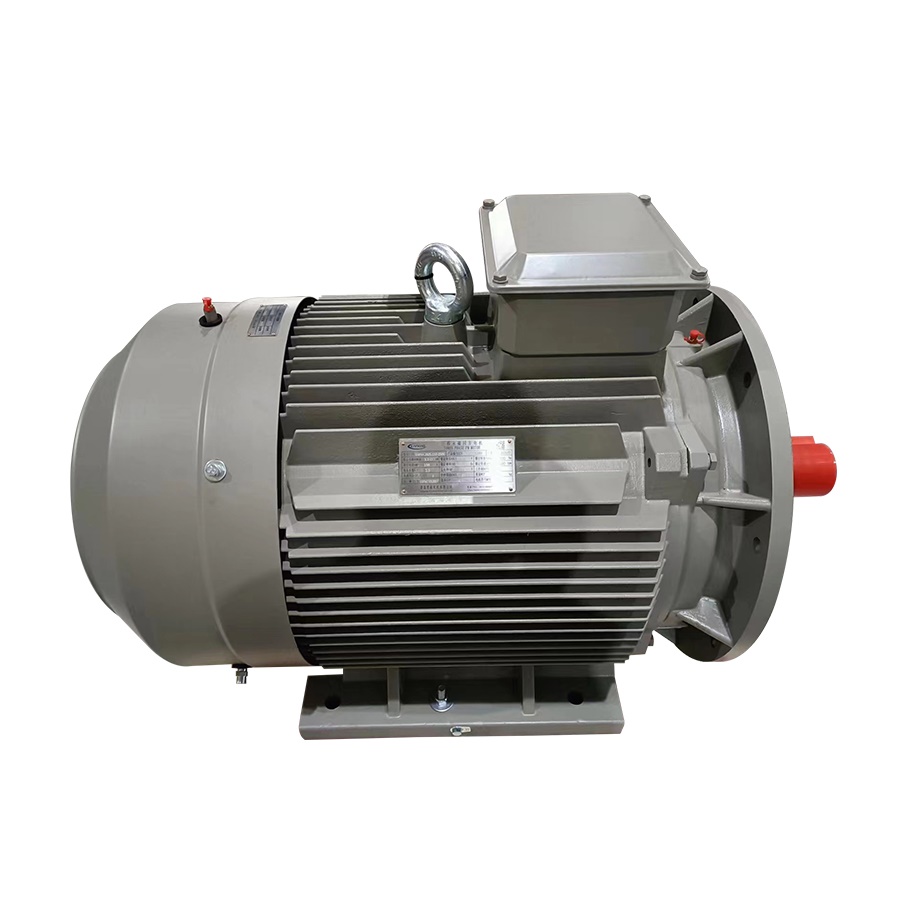
For a factory evaluating an Air Compressor PMSM, low-load behavior is especially important. A motor may perform well near rated load yet encounter different thermal, switching, and efficiency conditions at reduced speed. U.S. Department of Energy guidance on adjustable-speed systems makes the same practical point: evaluation should use the actual duty cycle and consider drive efficiency, motor efficiency, and driven-equipment efficiency at each relevant operating point. It is system efficiency—not one catalog number—that determines the outcome.
The VFD normally receives a pressure signal and adjusts speed within programmed limits. A stable pressure band and well-located sensor help prevent the controller from chasing noise. If the pressure signal is affected by pulsation, a restrictive downstream point, or an undersized receiver, aggressive speed corrections can create hunting rather than smoother supply. Before changing gains, confirm what the sensor is actually measuring.
An Air Compressor PMSM and its drive can regulate torque as speed commands change, which supports controlled acceleration and deceleration. That does not mean every pressure transient disappears immediately. The rotating inertia of the compressor, receiver volume, pipe network, and concurrent demand events still shape the system response. Establishing acceleration limits that protect the mechanical package is usually more useful than demanding the fastest possible ramp.
There is a common temptation to compare only full-load motor efficiency. In variable-demand service, the more relevant question is how the combined motor-drive-compressor package behaves at the speeds and loads that occur most often. If the plant spends much of the week at moderate demand, ask for mapped operating data or test evidence for that range. Well, more precisely, ask for the total package behavior—not just the motor curve—because drive losses and compressor characteristics also move with the operating point.
One speed-controlled unit often serves effectively as a trim machine while fixed-speed machines cover predictable base load. The appropriate sequence depends on compressor capacities, turndown range, maintenance needs, and demand volatility. If several VFD compressors all try to control the same narrow pressure band independently, they may compete. A master controller, sensible setpoint offsets, and enough storage can make the Air Compressor PMSM package more useful in a fluctuating system.
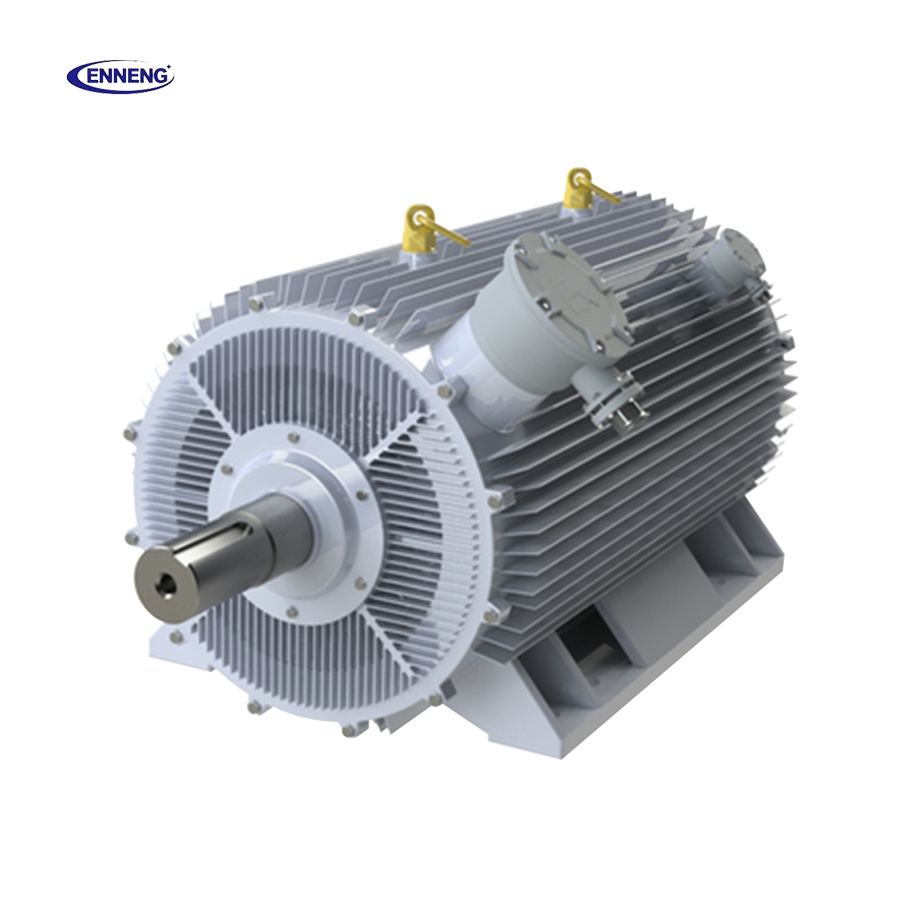
A Permanent Magnet Motor PMSM for compressor duty should be reviewed with the VFD and compressor manufacturer, not chosen only by rated kW. A practical review includes:
Variable-speed discussions sometimes repeat the cube-law relationship used for centrifugal fans and pumps. That relationship can be useful for those variable-torque machines under the stated conditions, but it is not a shortcut for calculating energy use of every air compressor. Positive-displacement screw compressors and other compressor configurations have their own performance maps, internal losses, and control constraints. Ask for compressor-package data at the relevant pressure and speed points instead of applying a generic formula.
This distinction protects the project from an oversold business case. An Air Compressor PMSM may improve how a package follows variable demand, but actual savings still depend on leakage, pressure setpoint, compressor sizing, baseload/trim strategy, operating hours, and maintenance condition. Reducing leakage or eliminating a chronic pressure drop can sometimes matter as much as a motor upgrade.
An Air Compressor PMSM is most compelling when the factory has meaningful and recurring demand variation, the compressor package can safely operate over the needed speed range, and the plant is willing to use operating data to tune the control strategy. It is less persuasive when demand is already stable near a well-matched compressor’s preferred operating point or when unresolved leaks, pressure losses, and sequencing errors dominate the system.
There is no universally suitable motor-and-drive configuration. The right choice depends on the compressor technology, expected load profile, electrical environment, maintenance capability, and the quality of the system controls. Treat the Permanent Magnet Motor PMSM as one coordinated part of the compressed-air package, validate it at the operating points that matter, and frequent load fluctuation becomes a condition to manage rather than a reason to accept unstable pressure or wasted unloaded running.
If you are evaluating commercial permanent magnet motors for sale and need an engineered drive solution that guarantees efficiency and longevity, ENNENG is your trusted partner.Contact ENNENG Today.Speak to our technical engineering team to receive a customised drive proposal.


 EN