
 EN

For an industrial buyer, an IE4/IE5 Efficiency Motor is no longer just an upgrade chosen to reduce the electricity bill. It is increasingly a hardware decision that affects whether a new line, replacement project, or export-oriented machine can meet energy-saving rules, document compliance, and avoid a short service life. The practical question is not simply “Is the motor efficient?” It is whether its efficiency class, operating conditions, drive arrangement, and supplier evidence all match the duty your plant must support.
That distinction matters because electric motors sit behind pumps, fans, compressors, conveyors, mixers, and process equipment that run for long hours. A small loss difference can become material over a large installed base. More importantly, efficiency regulations are becoming more specific about motor scope and performance class. Procurement teams now need a repeatable way to specify, verify, and retain the evidence for an IE4/IE5 Efficiency Motor.
Efficiency class has moved from a specification line to a compliance control
IEC/EN 60034-30-1 establishes efficiency classes for many single-speed motors. In common industry usage, IE4 is described as Super Premium Efficiency and IE5 as Ultra Premium Efficiency. These labels are useful orientation points, but they do not replace an applicability review. Motor type, rated output, pole count, supply arrangement, and exclusions all influence whether a particular regulation applies.
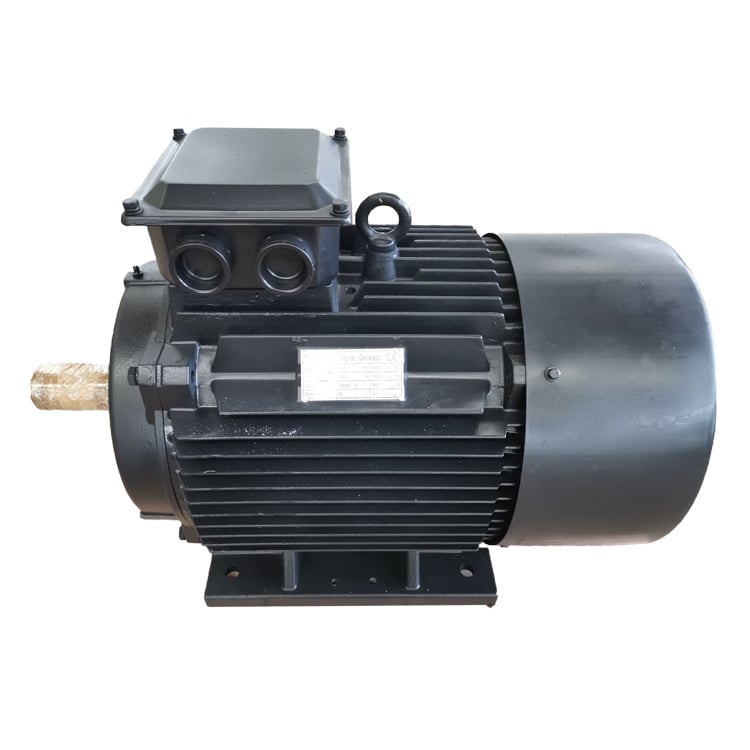
Europe offers a clear example of why this review must happen early: qualifying motors from 75 kW to 200 kW have been required to meet IE4 from July 2023 under the relevant ecodesign rules. That is a jurisdiction-specific requirement, not a universal threshold. Still, it shows the direction of travel. An enterprise that waits until factory acceptance to ask for an IE4-rated motor may discover that the electrical design, budget, or supplier documents no longer line up.
In procurement terms, an IE4/IE5 Efficiency Motor should be treated as critical hardware when the asset is within a regulated scope, when equipment is sold into a regulated market, or when the facility’s internal energy targets require auditable upgrades. The class on a quotation is only the start; the supporting technical file is what makes the claim usable.
Why the lifecycle case is stronger than the purchase-price comparison
Motor selection often begins with unit price, yet the more durable comparison is the energy and operating risk accumulated across the duty cycle. The exact savings depend on load, hours, electricity tariff, system losses, and how the machine is controlled. It would be misleading to promise one savings percentage for every plant. What is consistent is the decision logic: a motor that runs many hours at a meaningful load deserves a lifecycle calculation, not a nameplate-only comparison.
For a continuous-duty pump or fan, start with the actual load profile rather than the rated power alone. A motor that looks attractive at nominal conditions may be less suitable if it spends most of its time lightly loaded, overheated, or paired with a drive that was not considered in the original efficiency assessment. This is why an IE4/IE5 Efficiency Motor belongs in the early engineering review, alongside the driven load and control strategy.
- Energy exposure: annual operating hours and expected load bands determine how visible efficiency differences become.
- System fit: the driven machine, coupling, gearbox, and variable-speed drive can change the real operating result.
- Compliance exposure: the final market and equipment scope determine what documentation must be retained.
- Replacement risk: a nonconforming motor selected in haste can create redesign, acceptance, or export delays later.
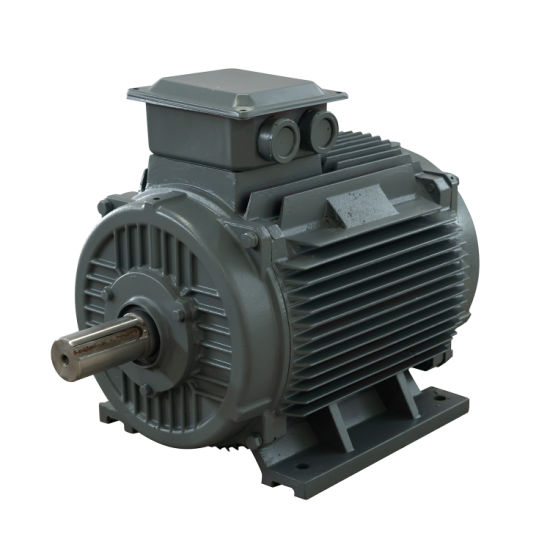
IE4 versus IE5: choose a verified application fit, not a label race
IE4 is often the immediate compliance target where a rule specifies it. IE5 may be a strategic option where the enterprise is reducing energy intensity, planning an asset refresh, or seeking headroom against future requirements. Neither conclusion should be automatic. An IE5 solution can be compelling, but it must be evaluated against the full package: motor technology, speed range, control method, enclosure, ambient temperature, maintenance access, and availability of spare parts.
A useful change in mindset is to move from chasing a peak efficiency figure to matching the duty cycle. Ask how often the machine operates near rated load, what happens during starts and low-load periods, whether a variable-speed drive is expected, and how hot or dusty the actual location is. Those answers turn an IE4/IE5 Efficiency Motor from a generic claim into an engineering choice.
One common gap appears when a buyer checks only the rated-load value. Partial-load behavior can matter greatly for variable-demand equipment. The same is true of thermal derating: a motor selected at standard conditions may need a different margin in a hot enclosure or at altitude. These are not arguments against higher-efficiency motors; they are reasons to demand an application review before release.
What enterprises should ask a High Efficiency Motor Supplier
Supplier evaluation should combine product evidence with application discipline. Qingdao Enneng Motor focuses on permanent magnet motors and new-energy generation equipment and offers OEM/ODM-oriented manufacturing support. That specialization may be relevant when an enterprise needs an application-specific motor discussion, but it does not remove the buyer’s obligation to confirm the applicable standard, performance data, and regulatory scope for the final configuration.
When comparing a High Efficiency Motor Supplier, ask for the exact motor designation, efficiency-class declaration, voltage and frequency, pole count, rated output, insulation and enclosure details, proposed operating envelope, and documentation delivered with the order. For a drive-fed application, request clarity on the intended inverter use and any limits that affect the selection. Avoid relying on broad marketing language or an efficiency class copied between configurations.
It is also sensible to ask how design changes are controlled. A compliant sample is not enough if a later winding, material, bearing, or frame variation changes the verified configuration. Traceable part numbers and a review gate for substitutions help procurement and engineering maintain a defensible record.
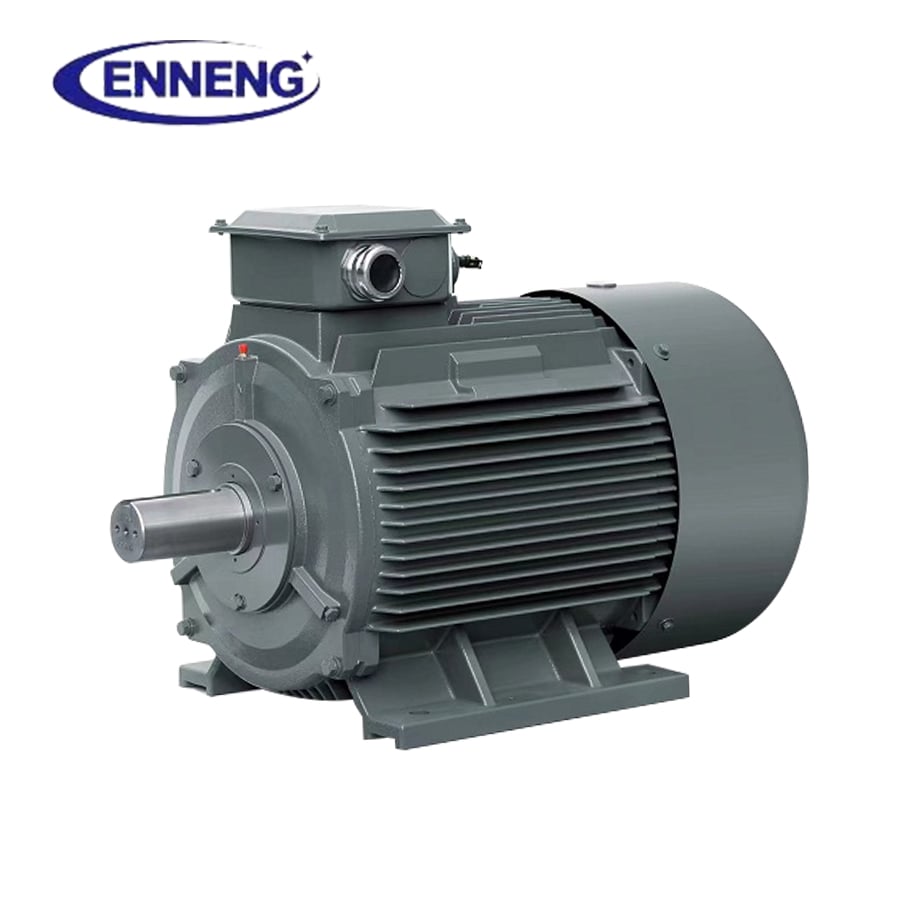
If you are evaluating commercial permanent magnet motors for sale and need an engineered drive solution that guarantees efficiency and longevity, ENNENG is your trusted partner.Contact ENNENG Today.Speak to our technical engineering team to receive a customised drive proposal.
- WhatsApp: +86 18562780228
- E-Mail: [email protected]
- Phone: +86 532 66000559
Turn compliance into an asset-management advantage
The strongest business case for an IE4/IE5 Efficiency Motor is not limited to passing a regulation. A disciplined specification process creates a cleaner motor register, improves replacement consistency, and gives energy managers better information for prioritizing upgrades. The same records can help a plant distinguish high-hour, high-load opportunities from assets where an immediate replacement has little practical value.
Start with the motors that combine long operating hours, material load, and exposure to regulated markets. Confirm the legal scope with qualified local compliance resources, then use the checklist to align engineering, purchasing, and maintenance. With that approach, higher-efficiency hardware becomes a controlled part of operational planning rather than a last-minute response to an audit.