
why-ie4-ie5-efficiency-motor-becomes-a-mainstream-option-for-factory-energy-saving-upgrade-projects, why-ie4-ie5-efficiency-motor-becomes-a-mainstream-option-for-factory-energy-saving-upgrade-projects, /blog
EN

2026/10/29
Factory energy cost is no longer a background line. Rising tariffs and carbon targets push plant managers to cut kWh at the source, and the IE4 IE5 Efficiency Motor sits at the center of that shift.
A plastics extrusion plant in Zhejiang replaced twelve 75 kW convection cooled induction motors with ENNENG IE4 IE5 Efficiency Motor units during a scheduled holiday shutdown. The site measured a 19% drop in line electricity within the first month and recovered the project cost before the next annual audit. The engineering team repeated the model on the compressed air station the following quarter and later extended it to the chiller plant with the same result.
Old motors waste energy as heat and quietly inflate the power bill for years. Poor efficiency also raises cooling load and accelerates component aging across the drive train. An IE4 IE5 Efficiency Motor from ENNENG removes that waste by lifting full load efficiency and holding it across the speed range, turning a hidden cost into a measurable saving on every shift and protecting the budget from tariff swings.
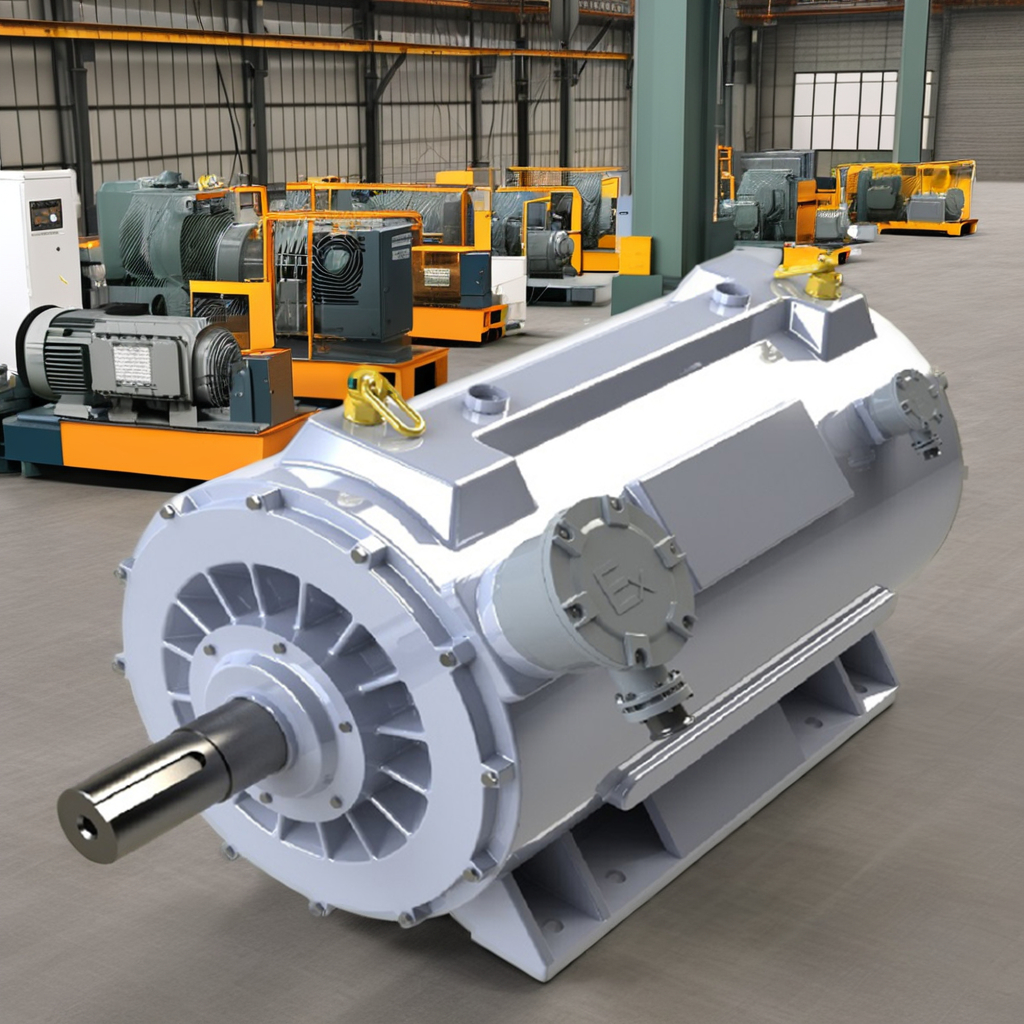
An IE4 IE5 Efficiency Motor earns its place by cutting losses that conventional designs accept as normal. ENNENG builds these motors with optimized magnetic steel, reduced air gap, and a low speed direct drive permanent magnet motor option that skips the gearbox. The table below compares nominal efficiency and typical annual energy use for a 90 kW unit running 6,000 hours per year.
|
Class |
Nominal efficiency |
Annual kWh (90 kW, 6000 h) |
Relative cost |
|
IE2 |
93.0% |
580,600 |
Baseline |
|
IE3 |
94.4% |
571,400 |
-1.6% |
|
IE4 |
95.8% |
562,600 |
-3.1% |
|
ENNENG IE5 PMSM |
96.8% |
556,300 |
-4.2% |
The ENNENG IE4 IE5 Efficiency Motor keeps efficiency above 95% even at partial load, where most factories actually run. Reduced stator and rotor loss lowers winding temperature, which protects insulation and extends service life. For generation paired duties, ENNENG supplies a permanent magnet generator rated 5kW to 5MW at 110V to 690V, and vertical axis wind turbine generators from 1kW to 10kW for on site renewable projects. The IE5 design also improves power factor, cutting the reactive charge from the utility.
Choosing an IE4 IE5 Efficiency Motor for the right duty beats chasing the highest nameplate class on paper. At 0.10 USD per kWh, the gap between IE2 and ENNENG IE5 on a single 90 kW unit reaches roughly 24,000 kWh per year, a saving that offsets the price premium within a few seasons. The ENNENG product range lets teams standardize one drive platform across many machine sizes, which simplifies spares, training, and the IE4 IE5 Efficiency Motor rollout across the plant.
Efficiency classes trace to IEC 60034-30, which rates every IE4 IE5 Efficiency Motor against the same test method. ISO 50001 sets the energy management system that justifies an IE4 IE5 Efficiency Motor upgrade through measured savings. IEC 61800 covers the drive that controls the motor, while NFPA 70 guides safe wiring during retrofit. OSHA 29 CFR 1910.147 (lockout tagout) governs safe isolation before any motor change out, protecting technicians during the swap.
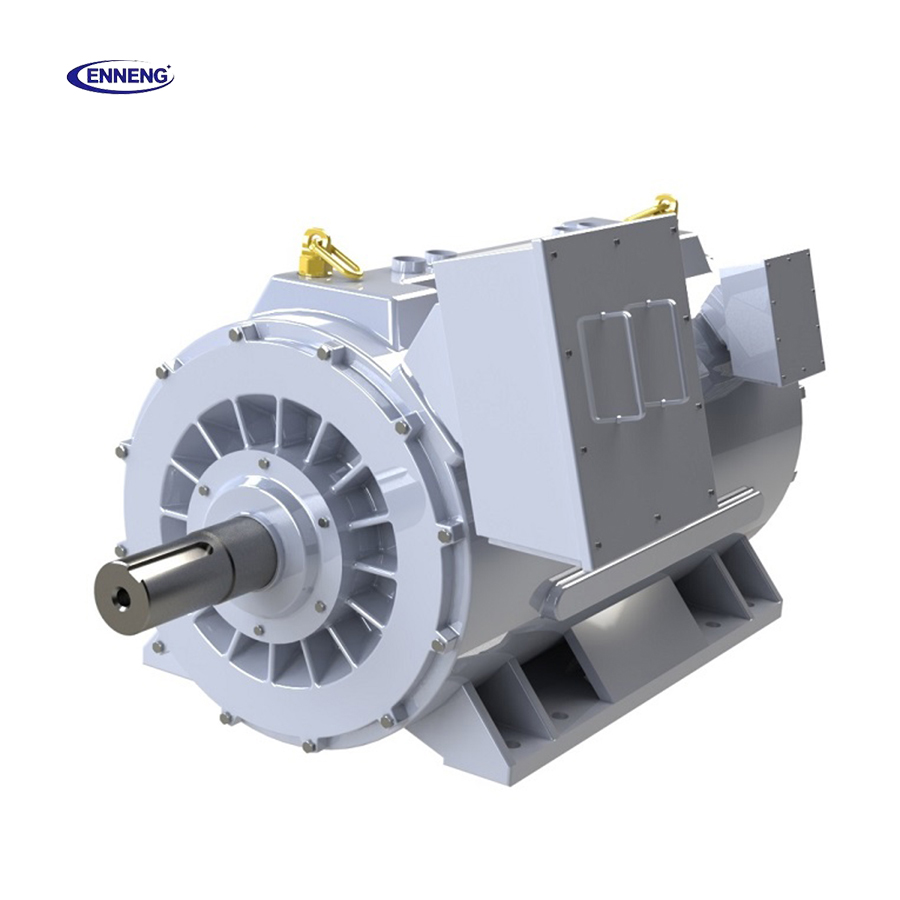
Start an upgrade by metering the top ten energy users and ranking them by run hours. Target machines above 30 kW that run daily, since those return savings fastest. Match each ENNENG IE4 IE5 Efficiency Motor to the real load curve, not the nameplate peak, and confirm the drive supports permanent magnet control where used. Schedule replacement during planned downtime, verify vibration after coupling, and track kWh weekly to prove the IE4 IE5 Efficiency Motor payback. Keep a spare frame and bearings to avoid a long wait on a single failure. Train the maintenance crew on drive parameters so tuning stays correct after the first service.
Not sure which efficiency class fits the plant budget? Send a photo of the motor nameplate with the annual run hours, and ENNENG returns a payback estimate with the right IE4 or IE5 unit. Early inquiry also secures stock and a matched drive before the next scheduled shutdown.
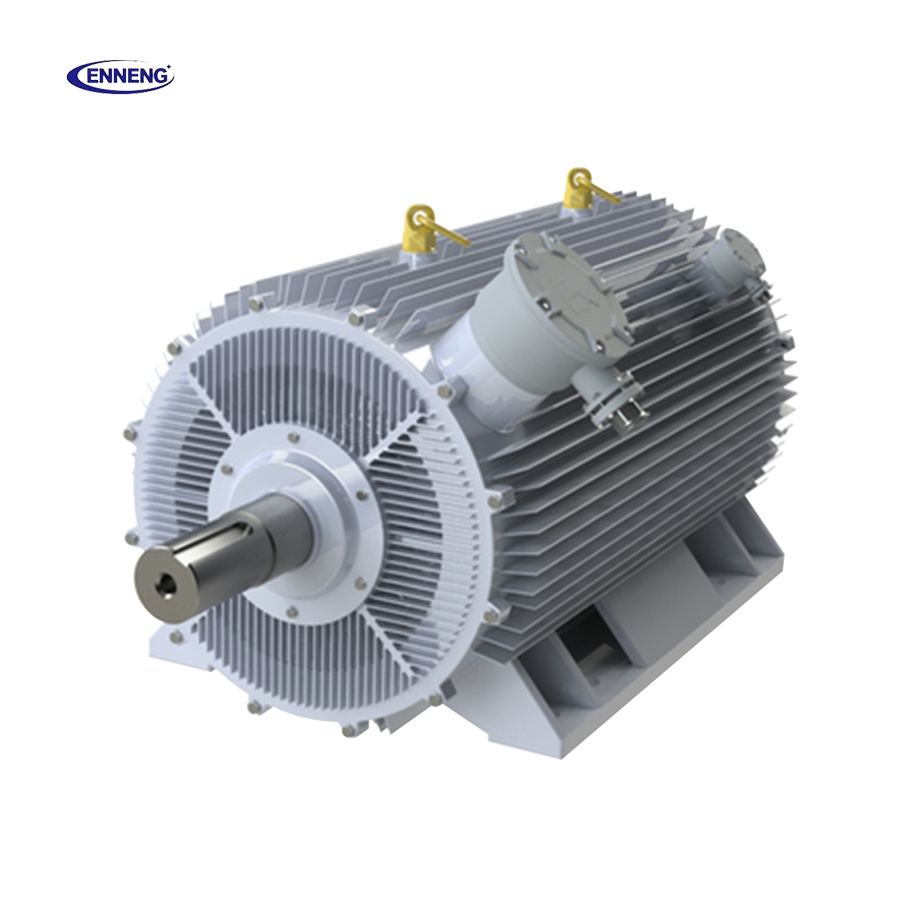
A: For high run hour loads above 30 kW, the IE5 permanent magnet design pays the price gap through energy savings within one to three years. The ENNENG IE4 IE5 Efficiency Motor also runs cooler and lasts longer, so the lifetime cost is usually lower than an IE4 inductor once downtime and maintenance are included. Most plants see the saving on the monthly bill from the first full quarter.
A: Standard IE4 induction motors work with most drives, but an IE5 permanent magnet unit needs field oriented control to avoid magnet damage. ENNENG checks the drive firmware before shipment and can supply a matched controller. Running a PMSM on an unsupported open loop drive risks demagnetization, nuisance faults, and early failure that erases the efficiency gain the IE4 IE5 Efficiency Motor was chosen to deliver.
A: Lower kWh directly cuts scope two emissions, which supports ISO 50001 and customer sustainability audits. An IE4 IE5 Efficiency Motor gives a defensible, metered saving that finance and ESG teams can report without estimation. ENNENG provides efficiency data to back the claim, and the same data feeds rebate applications where local rules reward verified motor upgrades on the site.
A: Most retrofit projects center on 7.5 kW to 315 kW machines with long duty cycles. ENNENG covers this band with IE4 and IE5 options, plus generators from 5kW to 5MW at 110V to 690V for combined generation and recovery systems on larger sites. Start with the highest run hour machines, then expand the program as the first IE4 IE5 Efficiency Motor savings are confirmed and documented for management.


 EN