
what-will-cause-demagnetization-risk-of-permanent-magnet-motor-pmsm-in-hightemperature-workshops, what-will-cause-demagnetization-risk-of-permanent-magnet-motor-pmsm-in-hightemperature-workshops, /blog
EN

2026/09/10
A plastics extrusion plant in Zhejiang ran a 75 kW Permanent Magnet Motor PMSM on the main extruder, mounted two meters from the barrel heater where the ambient air reached 68°C in summer. After a season the line supervisor noticed the extruder slowing under load and the drive current climbing for the same output. A Permanent Magnet Motor PMSM that had run fine for a year was now pulling more current at the same torque. The plant pulled the unit and sent it for test; the rotor magnet flux had dropped, and the Permanent Magnet Motor PMSM could no longer hold its rated field through the shift.
The heater radiated into the motor enclosure, and the extruder itself returned hot air through the fan intake. A Permanent Magnet Motor PMSM in that spot saw a steady 60-plus °C ambient on top of its own winding heat, so the rotor ran hotter than the nameplate assumed. The bearing grease thinned, the insulation aged faster, and the magnet sat closer to its limit than the duty cycle ever planned for in the bay.
A Permanent Magnet Motor PMSM depends on sintered neodymium magnets that hold flux only below a temperature ceiling set by their grade. Past that ceiling the loss becomes irreversible: the field weakens, torque falls, the drive pushes more current to compensate, and that extra current makes still more heat. A Permanent Magnet Motor PMSM can enter a thermal spiral where the cure and the cause feed each other until the magnet is permanently damaged on the line.
Defectus est physicus, non electronicus. Motor magnetis permanentis PMSM suum campum in rotore gerit; ideo, cum temperatus magnetis punctum suum nominatum excedit, ordinatio atomorum incipit relaxari. Gradus superiores plus caloris tolerare possunt, sed omnis gradus limitem durum habet, et motor magnetis permanentis PMSM nullam lucem monitionis dat, dum rotor ad eum in aestu appropinquat.
Magneta neodymi gradus habent, ut limites operationis 150 °C, 180 °C, et 200 °C; motor magnetis permanentis PMSM pro officio leni constructus fortasse gradum inferiorem utitur. In officina calida optima electio est gradus superior, quia spatium supra temperaturam ambientem additum ad incrementum inducturae est quod magnetem stabilem tenet. Erronea gradus specificatio causa communissima est demagnetizationis praecocis in motore magnetis permanentis PMSM qui iuxta fornaces operatur.
Cum campum minuit, moderator currentem augere debet ut celeritas maneat, et iste currus per spira fluit ut perditur et totam machinam calefacit. Motor permanentis magnetis (PMSM) in hoc statu calidior fit, magnetem ulterius ultra suum limitem impellens. Hoc spirale est cur parva initialis supercalor ad rotoris corruptionem ducat, non ad simplicem cessationem in officina.
Motor permanentis magnetis (PMSM) secundum easdem regulas thermicas specificandus est atque omnis machina rotans, et codices numeri sunt qui magnetem tutum tenent. Tabula nominis et relatio experimenti sunt quae ingeniorum plantarum legunt antequam unitatem in calida cella cum aere impari credant.
IEC 60034-1 definitur classes temperaturae isolationis — B ad 130 °C, F ad 155 °C, H ad 180 °C — et motor permanentis magnetis PMSM ad unam earum assignatur. Classis determinat quantitatem totalem caloris quam machina sustinere potest, sed gradus magnetis limitem internum strictiorem statuit; ideo utraque concordare debet ubi ambientia calida est et ventilatio infirma.
IEC 60034-25 praescribit usum machinarum convertere actarum et specificatori imperat ut motor permanentis magnetis PMSM devaluatur, si calefactio harmonica vel alta frequentia commutationis addit perditam. In officina calida haec devaluatio non est optativa, quia perditas converteris additas super calorem processus iam praesentem in rotore accelerant decrementum.
Protection is mostly selection and monitoring, not repair. A Permanent Magnet Motor PMSM that is rated, cooled, and watched will hold its flux for years even in a warm shop, while one that is under-specified fails quietly and expensively on the floor.
Rate the magnet for the highest ambient the bay will see, plus the winding rise, plus a safety margin, then pick the next grade up. A Permanent Magnet Motor PMSM in a 60 °C bay should not carry a 150 °C magnet when a 200 °C grade fits the frame, because the margin is what survives a heat wave. The grade stamp on the nameplate is the proof the plant keeps.
Install stator and bearing temperature sensors, and maintain clean, cool intake air, because a Permanent Magnet Motor PMSM draws in the surrounding air. Monitor readings against the baseline, and intervene before a gradual temperature increase causes the rotor to reach its limit. Enneng Motor provides the thermal cutout set point and the grade stamp, so the plant can verify the magnet limit on the nameplate before summer.
Beyond magnet grade selection, the bay layout affects rotor temperature more than most engineers expect. A Permanent Magnet Motor PMSM located in the path of heater exhaust runs hotter than an identical unit placed in a shaded corner; thus, relocating the enclosure or adding a local air deflector often provides the margin needed to prevent demagnetization. Simple site adjustments are low-cost compared with a magnet rebuild, and they protect the field without any contact with the motor itself.
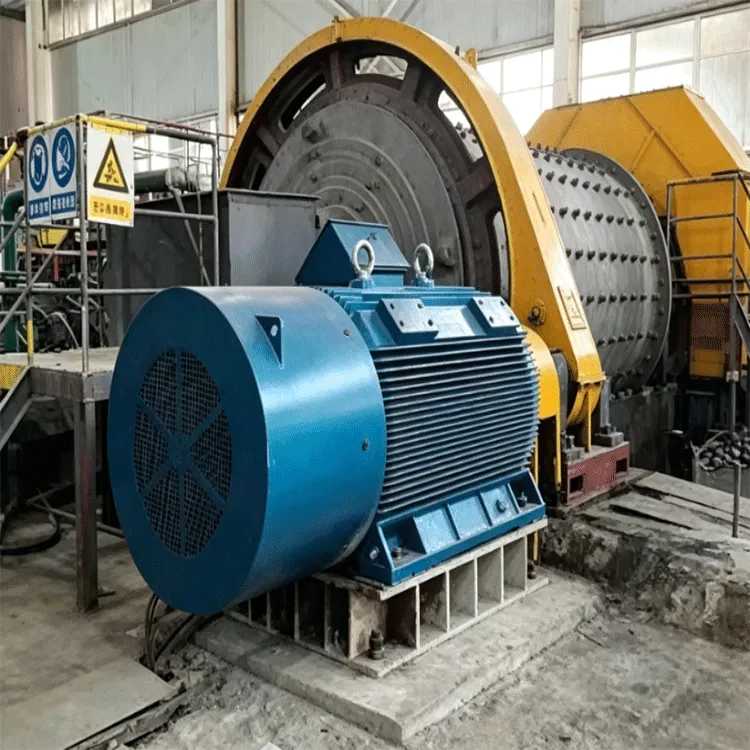
Sintered neodymium magnets lose flux once they exceed their rated temperature limit—typically 150 °C for standard grades and up to 200 °C for high-temperature grades. A Permanent Magnet Motor (PMSM) operating in a 60 °C workshop with a 90 °C winding temperature rise already approaches the upper thermal limit of the lower-grade magnets. This degradation is irreversible; therefore, the magnet grade must comfortably exceed the worst-case rotor temperature.
Grade selection sums the peak ambient temperature, the winding temperature rise, and a safety margin, then selects the next higher neodymium class. A Permanent Magnet Motor (PMSM) installed near ovens or extruders should use a 180 °C or 200 °C grade instead of the default 150 °C grade. Enneng Motor marks the grade on the nameplate so facility personnel can verify that the magnet’s thermal limit matches the bay’s operating conditions.
Yes. Cum campo debilitante, controller augmentat currentem ut velocitatem retineat; ideo lenta augmentatio currentis ad constantem onus est signum primum. Motor Permanentis Magnetis (PMSM) qui plus amperes requirit pro eodem effectu probabiliter fluxum amittit. Comparatio currentis statoris cum basi detectat hanc spiralem antequam rotor in officina permanenter damnetur.
Possunt. Harmonica commutationis addunt perditam cupri et ferri quae machinam calefaciunt ultra assumptionem sinusoidalem. Motor Permanentis Magnetis (PMSM) sub aspero impulso debeat esse de-ratus secundum IEC 60034-25, quia calor additus convertoris superimponitur calori processuali. Filtratio et parametri commutationis idonei rotorem intra suum finem thermicum tenent.
Tene aerem introductum frigidum et purum, observa temperaturas axis et statoris, et agere cito in lente crescentes. Motor magnetis permanentibus (PMSM) nullum monitum visibile dat in rotore, ideo sensoria vigilant. Inspecta viam refrigerationis singulis temporibus anni, et confirma gradum in tabella nominis convenire cum cellula ante adveniendum aestivum maximum calidum.
Plurimum sic in officinis calidis. Alternativa est motor magnetis permanentibus (PMSM) qui amittit fluxum et requirit reconstructionem rotroris, quod multo magis constat quam augmentum gradus ad tempus emptionis. Pro officinis ubi temperatio ambientis superat 50 °C, classis superioris magneta protegit potestatem et vitat intermissiones non praeparatas; ideo parvum praemium redditur per tempus operationis.


 EN