
how-energy-saving-motor-solution-calculates-practical-energysaving-benefit-for-different-industrial-plants, how-energy-saving-motor-solution-calculates-practical-energysaving-benefit-for-different-industrial-plants, /blog
EN

2026/09/09
A textile mill in Zhejiang swapped its older motors for high-efficiency units on a hunch that the power bill would fall, but the mill never measured the load, so the saving stayed a story at the monthly meeting. A proper energy saving motor solution starts from the meter, not the catalogue, logging the actual kilowatt-hours the machines draw before any unit is ordered. After the mill logged a month of real data, the true saving showed where the load ran long and light, not where the sales sheet promised it. The case shows that a saving not measured is a saving not banked.
The mill fitted IE4 units across the board, yet the compressed-air set ran only four hours a day, so the premium sat idle most of the clock. An energy saving motor solution would have ranked that set low and spent the budget on the continuous dye pumps instead. The mis-spend is common: plants pay for class they do not use, then wonder why the bill barely moved at the end of the quarter with no proof.
The logging showed the dye pumps ran twenty hours a day at seventy percent load, the steadiest draw in the plant. An energy saving motor solution targets exactly that profile, because hours times load is the kWh that counts. The mill had treated every motor as equal, but the meter proved the pumps were the only place a class jump would pay back inside the budget the finance team would accept on the floor.
The method is load times hours times the efficiency gap, and each plant has a different answer because each has a different duty. An energy saving motor solution builds the case from three numbers the auditor can check, not from a brochure claim that fades under review. The energy saving motor solution turns that data into a payback the board will fund, because the math is simple once the logging feeds it.
Log current and voltage at the terminal for a full duty cycle, then derive the real power the motor draws at each speed and load step. An energy saving motor solution uses that profile to place the IE class where the hours sit, because a unit that runs ten hours a day earns the premium, while one that runs one does not. The profile is the spine of the case, so the logging must cover the worst week, not the quiet one at the plant.
IEC 60034-30-1 gives the loss at each IE class, so the gap between the old unit and the new one is a known watt number. An energy saving motor solution multiplies that gap by the logged hours to get the yearly kWh saved, which turns a rating into a bill reduction the finance team can read. Enneng Motor supplies the tested loss at the working points, not the nameplate average that hides the real duty on the line.
A saving only counts when the auditor accepts the method, and the codes are what make the method stick. An energy saving motor solution that cites the right standards survives the energy review and the tax claim that follows it, and the energy saving motor solution keeps the file long after the motors are fitted.
IEC 60034-30-1 defines the IE efficiency classes, and IEEE 112 specifies the efficiency test that measures losses at actual operating points. An energy-saving motor solution based on both standards delivers to the plant a verified number the inspector trusts—because the gap is measured, not estimated from the nameplate. Enneng Motor performs IEEE 112 testing under real duty conditions and stamps the result, so the payback the plant reports to the board matches the payback the motor delivers in the field.
ISO 50001 requires the plant to track energy consumption and demonstrate year-on-year reductions; an energy-saving motor solution feeds directly into this system. The logged energy savings become a formal target in management review meetings, keeping the project active beyond the first quarter instead of fading from records. The standard transforms a one-time purchase into a quantified, repeatable outcome—confirmed during the next on-site audit without dispute.
The final step is payback, and an energy saving motor solution states it in months, not in vague promise. A clear payback is what moves the project from the meeting to the purchase order, and the plant should rank every motor by that number before the budget is set. The method is the same for a mill, a mine, or a bottling line, because hours and load are what decide the return.
List every motor with its logged hours, its load, and its IE gap, then sort by the saving each will return per year. An energy saving motor solution spends first where the payback is shortest, which protects the budget when the quarter tightens. The continuous, high-load sets win; the short-run, light sets wait, and the plant avoids the mis-spend that the textile mill made on the air compressors at the start.
Re-log the load after the new units run a month and compare to the baseline, because an energy saving motor solution proves itself at the meter, not on the slide. If the number drifts, check the duty or the control before blaming the motor, and keep the log against the serial for the next review. Enneng Motor supplies the test point so the plant trends the real saving and shows the board the bill that fell on the floor.
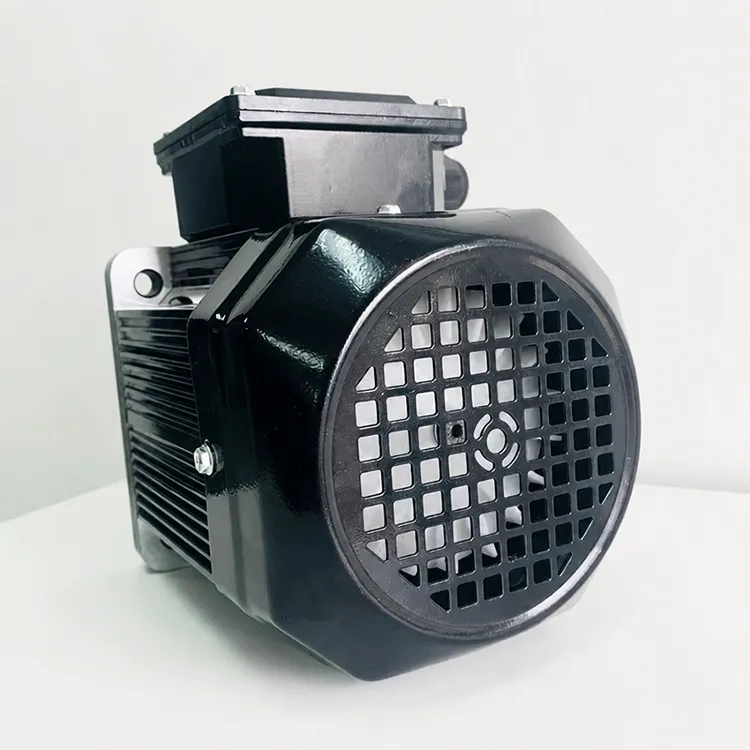
Answer: It logs the actual load profile for a full duty cycle, then multiplies the IE class loss gap by the real running hours to get yearly kWh saved. A plant that buys on a hunch misses the load that runs long and light, so the saving stays a story. The logging is the spine of the case, and the meter is the only proof the finance team will accept at the review.
Responsum: IEC 60034-30-1 definit classis efficacitatis IE, et IEEE 112 definit experimentum quod probat perditas in punctis operativis. Solutio motoris conservantis energiam, fundata in utroque, praebet plantae intervallum mensuratum, non mediam nominalem quae realem onus abscondit. Motor Enneng perficit experimentum IEEE 112 sub onere actuoso et signat resultatum, ita ut reditus ad consilium ostensus idem sit qui in campo realiter obtinetur.
Responsum: Horae multiplicatae per onus sunt kWh quae valent; ergo series continua alti oneris meretur praemium IE, dum series brevis levis non meretur. Solutio motoris conservantis energiam primo impendit ubi reditus est brevissimus, quod protegit pecuniam cum trimester arctatur. Haec methodus vitat impensam erronem ponendi IE4 in omni motore, indifferenter quanta tempora quisque realiter in linea operetur.
Responsum: ISO 50001 postulat ut fabrica usum energiae observet et reductiones annuas probet; solutio motoris ad conservandam energiam directe huic systemati inservit. Pars conservata in logis fit obiectum examinis a magistris, quod projectum post primum trimestrem vivum tenet. Norma unam tantum emptionem in effectum mensuratum et repetibilem convertit, quem proximus examen confirmabit, non in affirmationem quae ex logis in loco evanescit.
Responsum: Post mensem onus rursus in logis notetur et cum basi comparatur, quia solutio motoris ad conservandam energiam se ipse ad metrum, non ad glissandum, probat. Si numerus decrescat, officium aut regulatio ante motorem accusandum examinanda est, et logus contra numerum seriale pro proximo examini retinendus est. Enneng Motor punctum experimentale praebet, ut fabrica veram conservationem observet et consilio rationem ostendat quae minuitur.
Responsum: Ita, gradus idem sunt pro molendino, mina, aut linea imbuttionis, quia horae et onus sunt quae remunerationem decernunt. Solutio motoris pro conservatione energiae notat profilum, applicat interstitium IE, et indicat remunerationem in mensibus, non in vaga promissione. Fabrica ordinat omnes motores secundum hoc numerum, ita ut pecunia sequatur onus, non folium publicitatis, et conservatio computatur ad metrum.


 EN