
 EN

An industrial micro-grid is not made reliable simply by adding a generator and a battery. The useful question is how the Permanent Magnet Generator PMG, power converters, energy-storage unit, critical loads, and supervisory controls behave as one electrical system. From a renewable-energy engineering perspective, the load profile comes first: a mine workshop, process skid, telecom hub, or remote plant can have very different starting currents, ramp rates, and outage priorities.
A Permanent Magnet Generator PMG produces electricity when its rotor magnets move past stator windings. Because the magnetic field is supplied by permanent magnets rather than a separately excited rotor field, the machine does not need field-current control to establish that field. In a micro-grid, however, the raw generator output is only the start of the design problem. Variable shaft speed can mean variable voltage and frequency, while industrial loads generally expect a tightly managed AC bus or DC bus.
The power path: from rotating shaft to usable micro-grid energy
The usual integration path places a rectifier or active converter after the Permanent Magnet Generator PMG. That converter turns the machine’s variable output into a controlled DC link or, in some architectures, a regulated AC supply. A bidirectional battery converter connects the energy-storage unit to the same bus. An inverter then supplies AC loads, or a grid-forming converter establishes the local voltage and frequency reference in island operation.
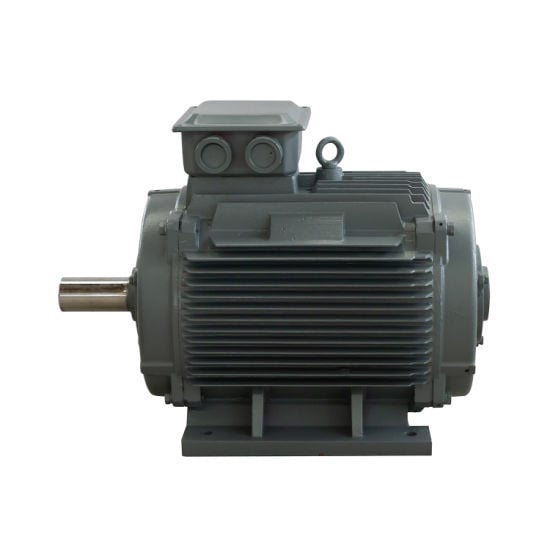
That arrangement gives each asset a distinct job. The Permanent Magnet Generator PMG converts available mechanical energy. The storage unit absorbs surplus energy, covers short deficits, and limits rapid bus excursions. The controller decides which job has priority at a particular moment. Treating generator rated power as a fixed number is fine for early planning; once shaft speed, ambient conditions, converter limits, and charge acceptance are included, usable output can shift considerably.
- Generator-side control keeps the Permanent Magnet Generator PMG within speed, current, voltage, and thermal limits.
- Battery-side control enforces state-of-charge, temperature, charge/discharge current, and reserve limits.
- Micro-grid dispatch balances production, storage, controllable loads, and any utility or backup source.
Why storage changes the operating window
Without storage, a Permanent Magnet Generator PMG must follow the load nearly instant by instant or a separate source must do so. That can lead to curtailment when mechanical input is plentiful and instability when it falls away. With storage, the battery converter can charge when the Permanent Magnet Generator PMG has spare power and discharge during a load step or generation dip. The result is not “free” capacity: it is a controlled time shift between generation and consumption.
You might be thinking that a large battery automatically solves fluctuating generation. It does not. A storage system must have sufficient energy capacity for the intended duration and sufficient power capability to meet the largest expected transient. Its converter must also coordinate with the Permanent Magnet Generator PMG converter so they do not both try to regulate the same bus variable with conflicting control loops.
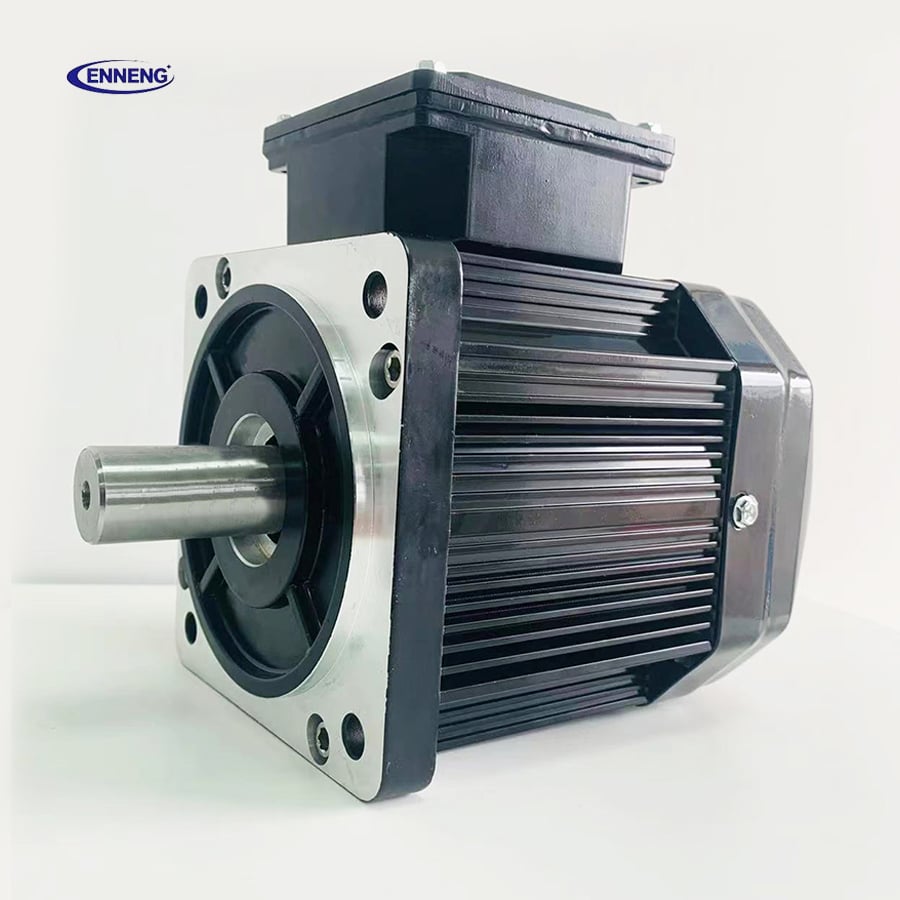
Three operating states engineers should define early
1. Surplus-generation charging
When the Permanent Magnet Generator PMG output exceeds demand, the controller can route the difference to storage, subject to the battery’s charge limit and state of charge. If the battery is full or unavailable, the system needs a deliberate curtailment or dump-load strategy. Leaving that condition undefined can let speed or DC-bus voltage rise outside the preferred operating range.
2. Load-following discharge
When demand exceeds the available Permanent Magnet Generator PMG output, storage can discharge to hold the bus within its control band. For industrial equipment, the control design should distinguish a brief motor-start surge from a sustained energy deficit. A battery may support the first condition well while being unsuitable for a long production shift without another energy source.
3. Islanded disturbances and restart
During islanded operation, one device must establish the voltage and frequency reference. Often that is a grid-forming battery inverter, while the Permanent Magnet Generator PMG converter follows its reference and contributes available power. The order matters during black start and recovery: energize essential control power, form a stable bus, bring the generator path online, then reconnect prioritized loads in stages.
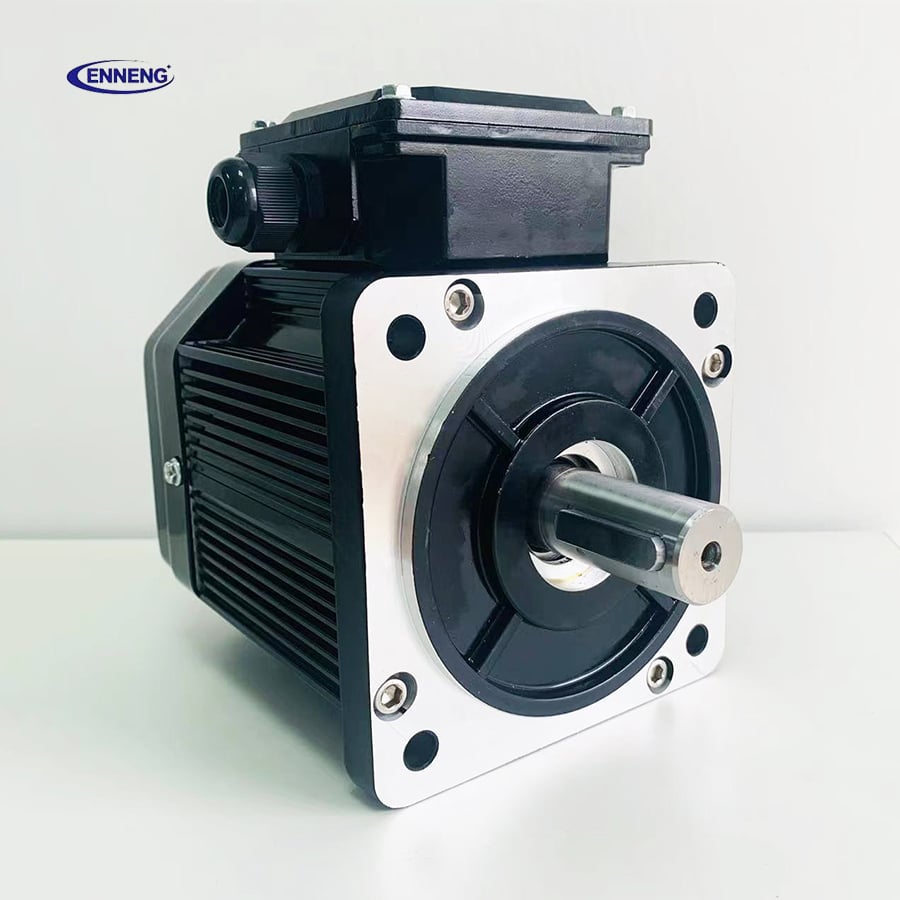
Control coordination is usually the real integration challenge
A common commissioning delay is not a fault in the Permanent Magnet Generator PMG itself, but a mismatch between generator, inverter, battery-management, and micro-grid-controller interfaces that only appears during site integration. Before procurement, define the communication method, command ownership, operating modes, alarm handling, and time-stamped measurements. Verify what happens when communications are lost: the hardware should move to a documented local-safe behavior rather than wait indefinitely for a remote command.
IEEE 2030.7-2017 is useful context because it describes functions for micro-grid controllers above individual component control, including autonomous and grid-connected operation. It does not replace project-specific protection studies, applicable local electrical codes, or vendor commissioning procedures. Likewise, electrical-energy-storage frameworks such as the IEC 62933 series can inform terminology and system planning, but they are not a shortcut to a site-specific safety and compliance design.
Design around behavior, not components
A Permanent Magnet Generator PMG and a storage unit work together when controlled converters turn changing mechanical input into managed electrical power, while the micro-grid controller gives each asset a clear role. The important point is that integration succeeds only when power limits, reserve logic, protection, and communications are designed as one operating system. For remote and uptime-sensitive projects, a supplier with permanent-magnet generator and control-integration experience can help translate the site load profile into a practical configuration, but final settings should be confirmed through project engineering and commissioning tests.
If you are evaluating commercial permanent magnet motors for sale and need an engineered drive solution that guarantees efficiency and longevity, ENNENG is your trusted partner.Contact ENNENG Today.Speak to our technical engineering team to receive a customised drive proposal.
- WhatsApp: +86 18562780228
- E-Mail: [email protected]
- Phone: +86 532 66000559