
what-core-features-should-a-reliable-permanent-magnet-motor-pmsm-have-for-heavy-duty-industrial-sites, what-core-features-should-a-reliable-permanent-magnet-motor-pmsm-have-for-heavy-duty-industrial-sites, /blog
EN

2026/10/29
What core features should a reliable Permanent Magnet Motor PMSM have for heavyduty industrial sites
A reliable Permanent Magnet Motor PMSM starts with the duty it must survive. Heavy sites punish equipment with shock load, dust, heat, and long run hours that ordinary machines cannot absorb.
A steel service center in Shandong runs a 315 kW flywheel buffing line where a conventional induction motor overheated within two shifts and tripped the protective relay. After switching to an ENNENG Permanent Magnet Motor PMSM built for heavy duty sites, the same line held stable temperature through continuous 20 hour production runs. The maintenance lead reported fewer unplanned stops during the first quarter, which kept the finishing schedule on track.
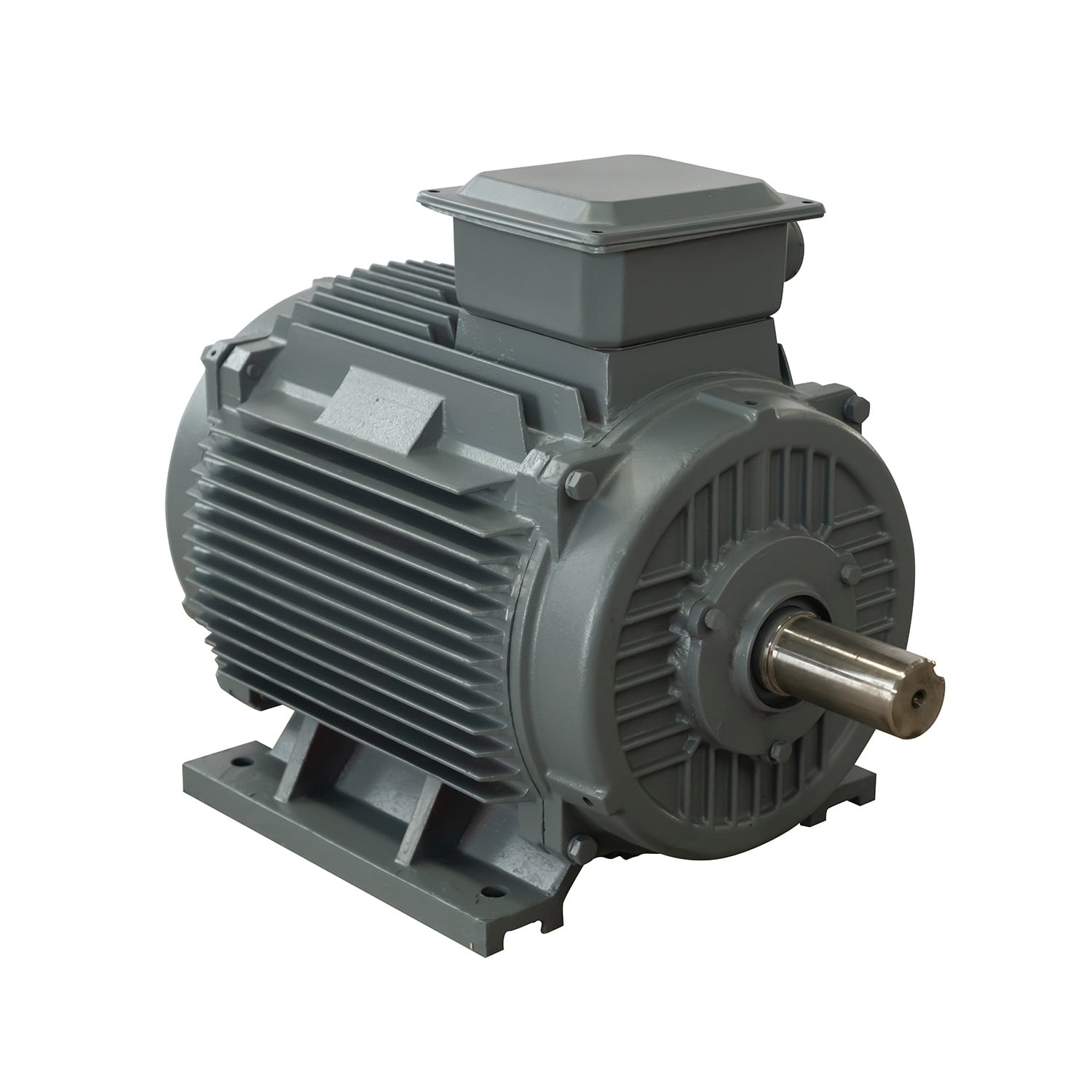
Conventional motors lose efficiency under heavy starting torque and suffer insulation stress that shortens service life. Overheating, voltage sag, and bearing wear create sudden downtime that halts an entire production line. A Permanent Magnet Motor PMSM from ENNENG answers these risks with a design that keeps rotor temperature low and sustains high torque from standstill, so the line stays running where a failure would be expensive.
A reliable Permanent Magnet Motor PMSM for heavy duty sites must deliver high torque density, low rotor loss, and stable thermal behavior under load swings. ENNENG PMSM units use sintered NdFeB magnets on the rotor and a low speed direct drive permanent magnet motor architecture that removes the gearbox in many driven applications. The comparison below shows why the ENNENG permanent magnet motor PMSM leads on the metrics that matter on the factory floor.
|
Metric |
Standard IE2 Induction |
ENNENG PMSM (IE5) |
Field benefit |
|
Light load efficiency at 25% |
71% |
92% |
+21 points |
|
Rotor loss |
High copper loss |
Near zero |
Cooler operation |
|
Temperature rise |
80 K |
38 K |
Longer insulation life |
|
Torque density |
1.0 x baseline |
1.8 x baseline |
Smaller frame size |
|
Power factor |
0.82 |
0.98 |
Lower reactive penalty |
The ENNENG Permanent Magnet Motor PMSM sustains efficiency above 95% from 25% to 120% load, while a typical induction unit drops below 80% at partial load. Rotor loss stays near zero because the PMSM rotor carries no winding current, which removes a major heat source. Lower temperature rise protects the insulation system and extends bearing life. For hostile duty, ENNENG pairs the PMSM with sealed bearings and an IP54 or IP65 enclosure, and offers a permanent magnet generator variant rated 5kW to 5MW at 110V to 690V for paired generation duties such as vertical axis wind turbines from 1kW to 10kW.
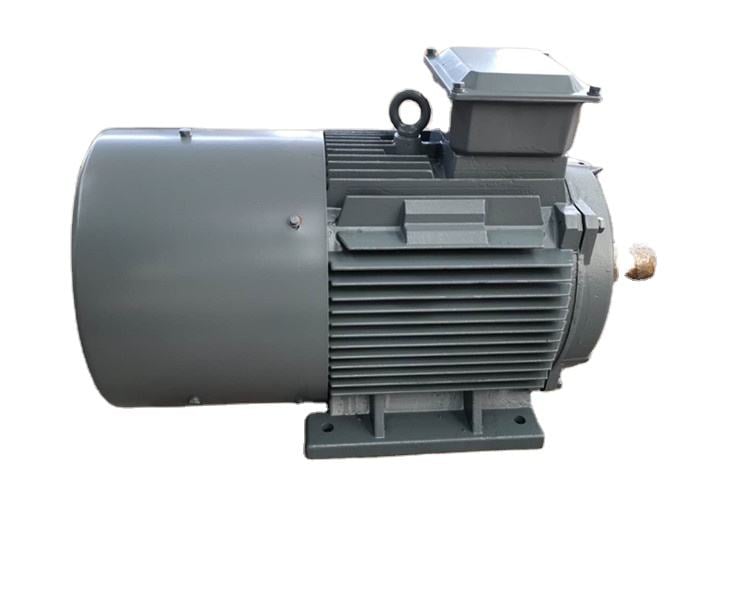
Torque response also separates a dependable permanent magnet motor PMSM from older designs. ENNENG tunes the magnetic circuit so full torque is available at low speed, which protects belts, couplings, and gear teeth during start up. The compact frame reduces foundation load and frees space on crowded lines. More detail on the full range is available at ENNENG.
Heavy duty motor selection should reference ISO 1940 for rotor balance grade and IEC 60034 for rotating electrical machine performance and efficiency classes. ISO 10816 defines mechanical vibration zones that a Permanent Magnet Motor PMSM must meet on site. IEC 61800 governs adjustable speed drive systems that pair with the motor, while ANSI C84.1 sets the voltage tolerance the drive and machine must respect. NFPA 70 (the National Electrical Code) defines wiring methods and overcurrent protection for industrial installations. ENNENG supplies documentation that supports these checks where the application requires third party verification.
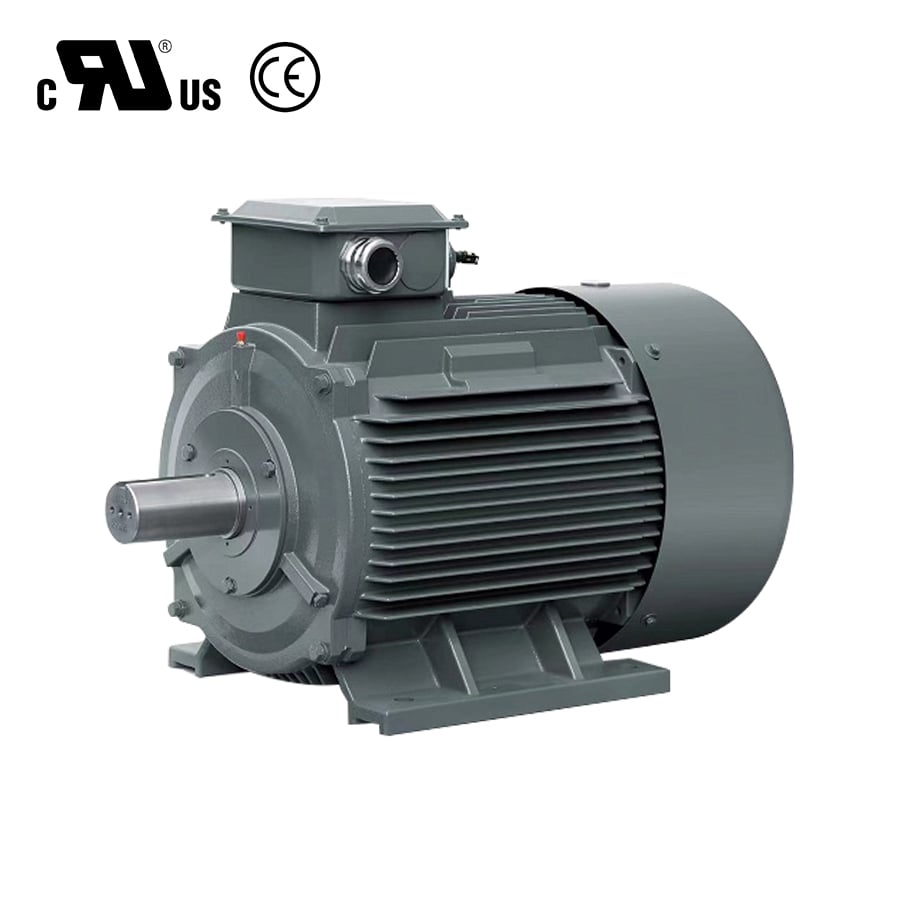
Specifying the right permanent magnet motor PMSM begins with load profiling. Record duty cycle, peak torque, and ambient temperature before sizing the frame. Choose an ENNENG PMSM rated at 1.15 times the continuous load to absorb shock without overload. Inspect the shaft seal and cooling path every three months, check bearing temperature with an infrared gun, and log vibration against the ISO 10816 zone for that machine class. Clean the enclosure fins, verify the drive parameters match the motor nameplate, and keep spare bearings on site for a fast swap. Train operators to watch for rising current at fixed load, which signals a cooling or alignment issue before it becomes a failure.
No two industrial facilities share the same spatial or mechanical constraints. ENNENG stands out because we do not just supply off-the-shelf catalogue products; we specialise in delivering a tailor-made permanent magnet motor tailored to your specific application .
Supported by our elite R&D team consisting of engineers from the National Rare Earth Permanent Magnet Engineering Centre, and backed by dozens of patents, we customise high-voltage (6kV/10kV) and low-voltage (380V/660V/1140V) solutions to match your existing footprint. From water treatment facilities and oil wells to explosion-proof mining environments, we deliver optimal performance where general-purpose motors fail .
If you are evaluating commercial permanent magnet motors for sale and need an engineered drive solution that guarantees efficiency and longevity, ENNENG is your trusted partner.Contact ENNENG Today.Speak to our technical engineering team to receive a customised drive proposal.
A: A Permanent Magnet Motor PMSM fits loads with long run time, frequent start stop, or steady partial load such as fans, pumps, compressors, and conveyors. The motor keeps high efficiency at low load, so energy savings grow when the duty cycle stays below rated power for most of the shift.
A: In many cases the ENNENG PMSM mounts on the same foot print and couples to the same shaft, but it requires a compatible variable frequency drive. The control must support permanent magnet motor PMSM field oriented control. A drive audit prevents nuisance tripping and protects the rotor magnets from demagnetizing current.
A: Lower rotor loss and reduced temperature rise extend insulation and bearing life, often doubling service intervals versus a comparable induction unit. With a three month inspection plan and clean cooling path, an ENNENG permanent magnet motor PMSM typically runs far beyond a typical rewind cycle before major service is needed.
A: An IP54 or IP65 enclosure with finned frame handles most dusty and humid sites without extra cooling. The near zero rotor loss keeps internal heat low, so the standard frame stays within temperature limits. Where ambient exceeds 40°C, ENNENG recommends a forced air or liquid option sized to the site.


 EN